Locations
Resource Links

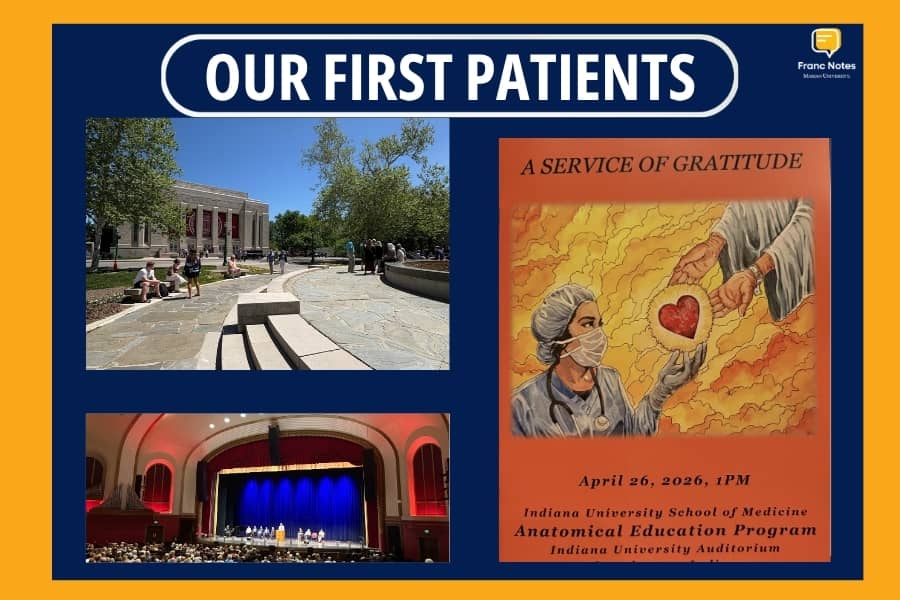
Before caring for living patients, medical students learn from those who gave an extraordinary final gift. One MU-WCOM student reflects on the donors who became their “first patients” and left a lasting impact far beyond the anatomy lab.
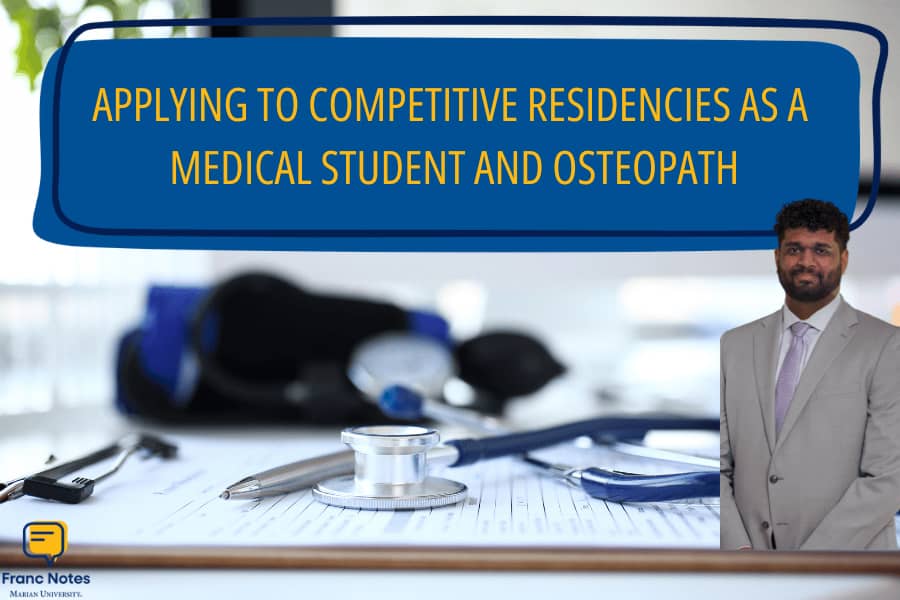
What does it take to stand out when applying to a competitive medical residency? Marian University medical student Kapil Reddy shares insights from two Ascension St. Vincent physicians on board scores, audition rotations, and strategies to strengthen your application and improve your chances of matching into your desired specialty.
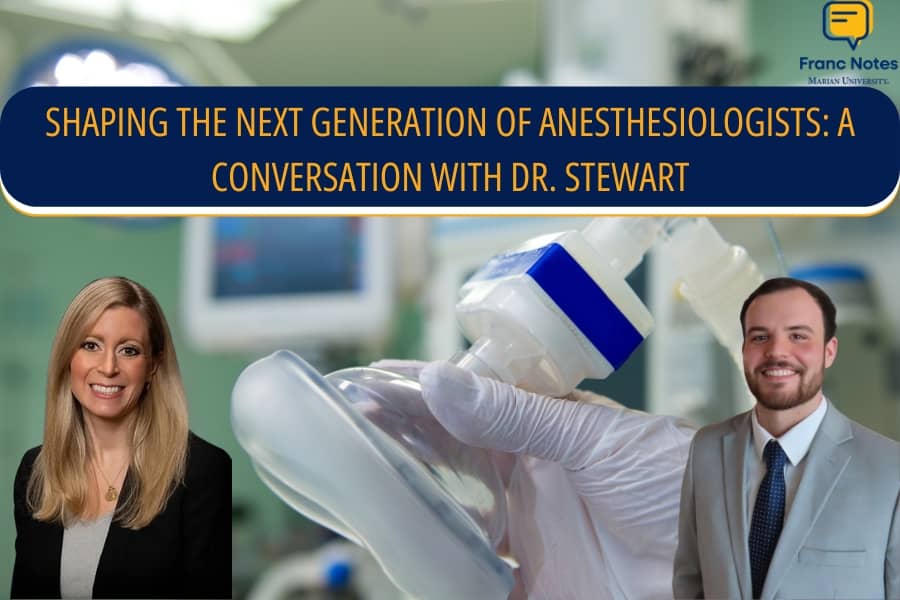
What does it take to become a skilled anesthesiologist and an effective leader in medicine? Dr. Jennifer L. Stewart shares how perseverance, perspective, and hands-on experience shaped her career and her approach to training the next generation of physicians.
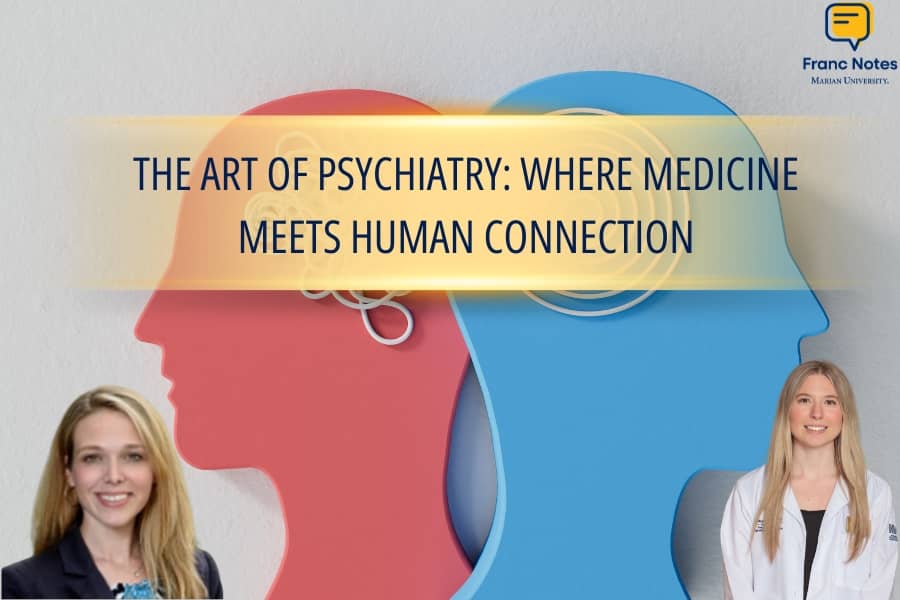
Psychiatry goes beyond symptoms and diagnoses to uncover the stories behind each patient. Discover what makes this specialty uniquely human—and why empathy, curiosity, and connection are just as important as clinical expertise.
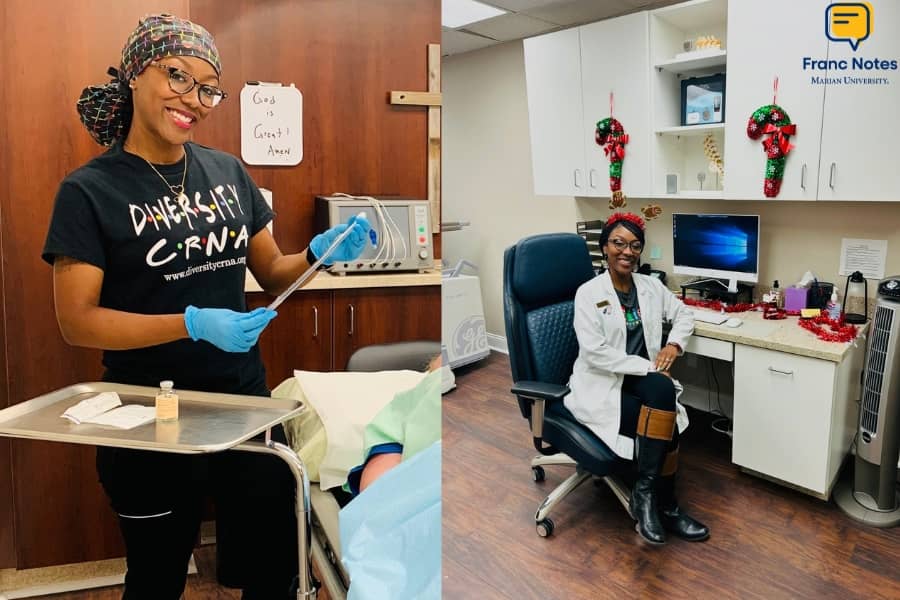
After a last‑minute CRNA acceptance and a failed exam, a former NP battles imposter syndrome, adopts evidence‑based study strategies, and turns the setback into growth—read the full story.
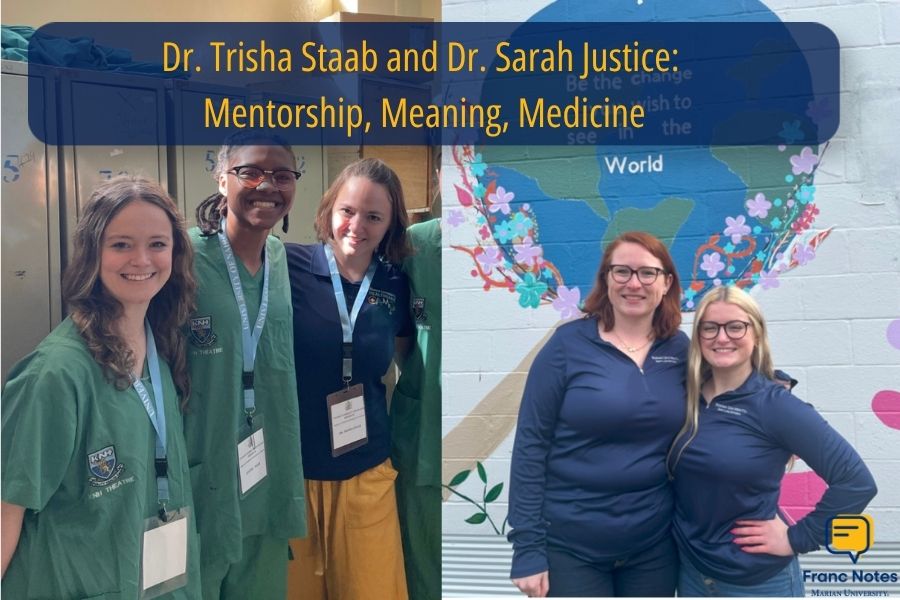
Feeling overwhelmed as a pre-med? Advisors Dr. Sarah Justice and Dr. Trisha Staab share practical tips: find a personal mission instead of “doing everything,” prioritize to avoid burnout, pursue meaningful research with strong mentors—and remember, medicine values empathy as much as science. Read the full interview for more tips.
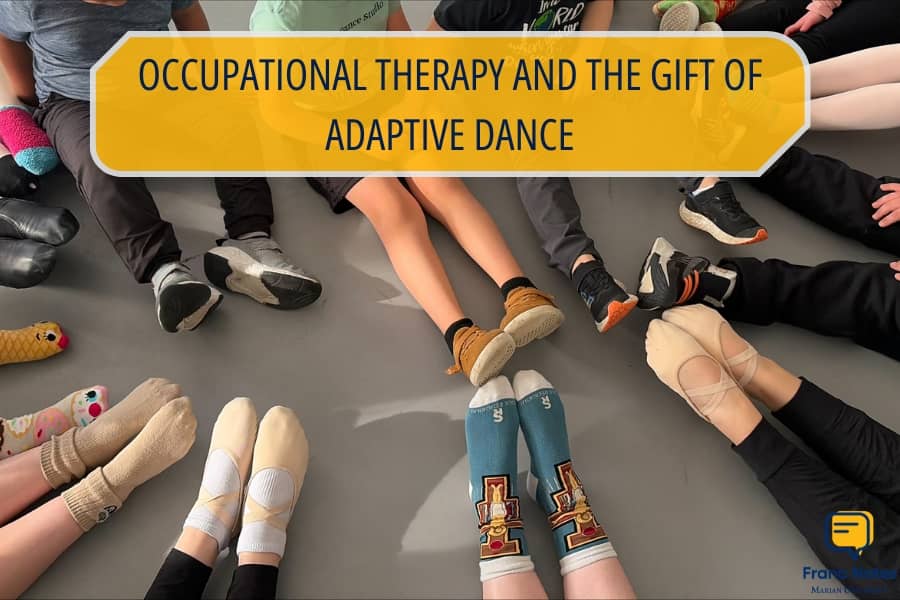
A pediatric occupational therapist recounts how a chance idea became an adaptive dance program where children with disabilities move, make friends, and grow. Read about practical class adaptations, training for future OTs, and the community impact of inclusive arts. Success here is measured by connection, not just performances.
Candidacy is more than a milestone—it's the bridge from a program's founding vision to full accreditation, and this post explains how Marian University's developing OT and PT programs are meeting that standard. Dr. Huber outlines the rigorous steps, the collaborative work behind them, and what enrolling during candidacy means for students—read on to see why joining now makes you part of the program's foundation.
Accreditation isn’t just paperwork—it's a deliberate act of stewardship and a promise to protect the dignity of every student and future patient. Drawing on work preparing Marian University's new OT and PT programs and experience as an HLC peer reviewer, Dr. Huber explains why rigorous review matters and how institutional values translate into practice.
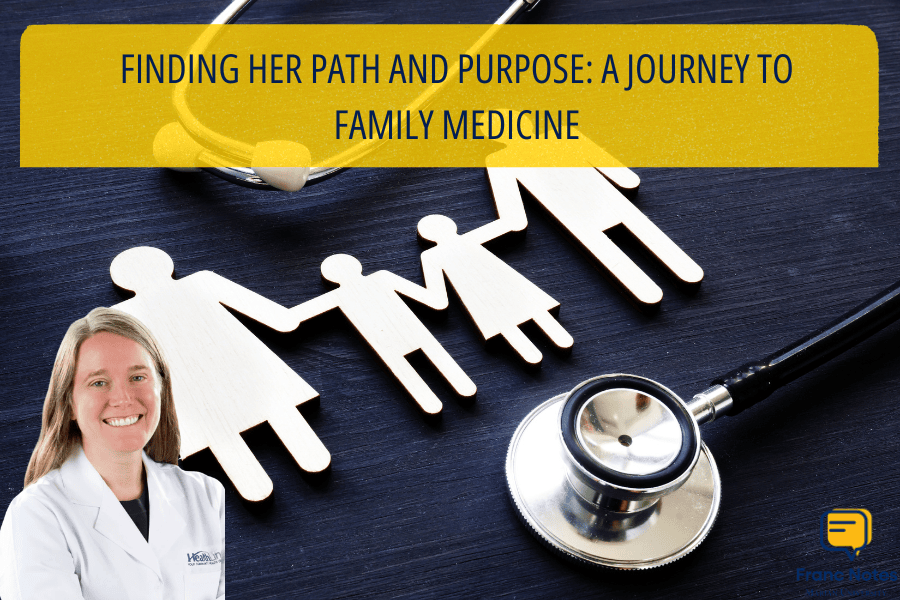
Meet Dr. Amanda Mathews—a family physician whose path from Iowa to Indiana led her to focus on medically underserved communities and to care for patients across the lifespan. In this interview, she discusses choosing family medicine, integrating psychiatry into her practice, mentoring residents as an assistant site director, and balancing leadership with motherhood. Read her story for career tips and practical advice.
3rd-year medical student, Katelyn Wischmeyer, shares her exposure to mental health concerns among patients during her Primary Care clinical rotations. Read on for thoughtful insight into how the medical field can improve its approach to addressing mental health concerns.

Assistant professor Gracyn Conner, OTD, MS, OTR, is an occupational therapist (OT) who works with children and teens on the autism spectrum. As the creator of the Hygiene Hippie app, she saw the need for better assistive tools that could reliably produce full hygiene independence in its users by translating OT strategies into accessible, step-by-step routines.
Marian University undergraduate students, Shreyas and Gabriel, interview second-year osteopathic medical student Nika Rebec to understand her journey to medicine as an international applicant. Read on to learn about Nika’s continued resilience and determination to accomplish her dream of being a physician.
Life-threatening bleeding poses a serious threat following traumatic injury. Simple skills such as applying a tourniquet and applying pressure could save lives, but unfortunately, most Americans don’t have any training or knowledge in bleeding control. To help combat this knowledge gap, Sophia Siminow has become a Stop the Bleed instructor and has certified over 150 people.
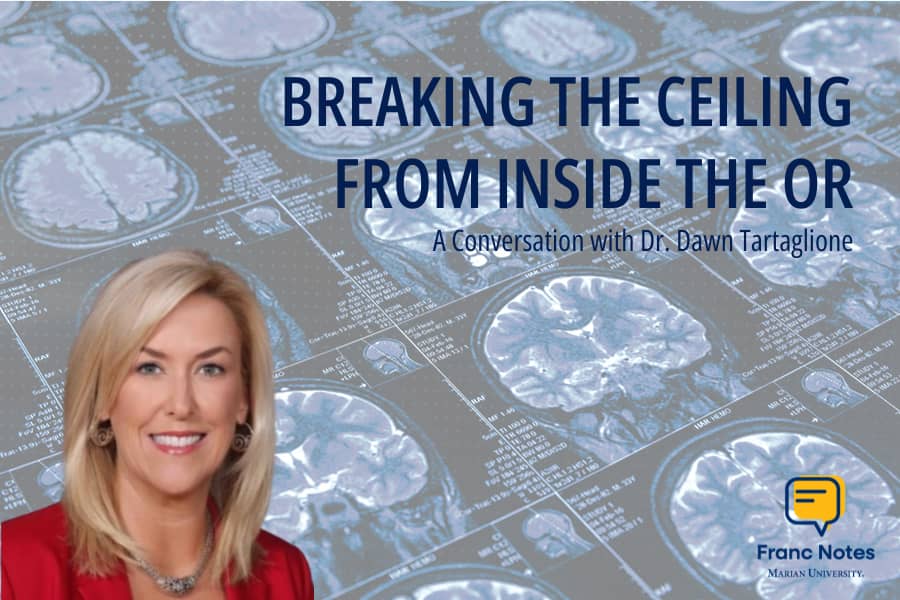
Dr. Dawn Tartaglione, the first board-certified female osteopathic neurosurgeon, recounts a career shaped by early responsibility, tough mentorship, and a refusal to ask permission to belong in a male‑dominated specialty. Her story emphasizes that competence, decisiveness, and preparation—not concession or quiet endurance—opened opportunities and can expand what’s possible for women entering competitive surgical fields.
This article shares Dr. Shockley’s journey to medicine. Read on to learn more about how Dr. Rachel Shockley became a family medicine osteopathic physician and how she incorporates the pillars of osteopathic medicine into her practice.
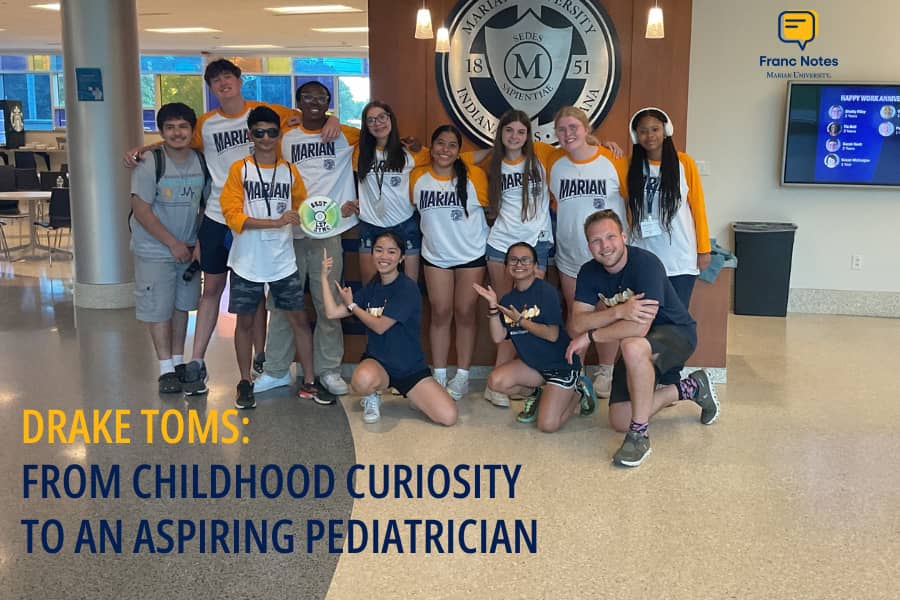
For one second-year osteopathic medical student, childhood curiosity evolved into a candid look at premed setbacks, undergraduate self-reflection, and a deepening passion for pediatrics. Drake Toms’s journey—shaped by MCAT struggles, meaningful patient connections, and practical premed advice—offers real-world insight for high school and undergraduate students considering a future in medicine.
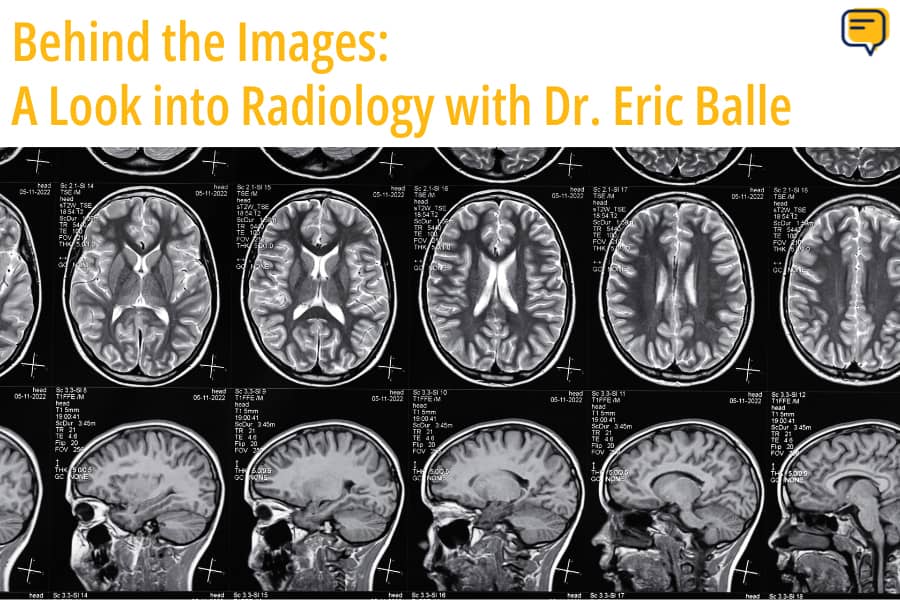
Explore diagnostic radiology through Dr. Eric Balle’s shift from anesthesiology to imaging—his story reveals the specialty’s detective-like problem solving, hands-on image-guided procedures, and a generally predictable work-life balance. He offers candid perspectives on the field’s challenges and competitiveness, plus how AI is likely to augment (not replace) radiologists, giving a clear, realistic look at whether radiology might suit your career goals.
Curious about a career that blends hands-on care, creativity, and meaningful impact? Read how Marian University faculty followed different routes—direct-entry master’s (MOT) or doctoral (OTD) programs, assistant pathways, and career pivots—to become occupational therapists, and discover which path makes sense for you.
Discover how occupational therapy brings Marian University's Franciscan values—dignity, justice, reconciliation, and responsible stewardship—to life by helping people reclaim meaningful daily activities. In this piece, Dr. Kate Huber shows how Marian’s new OT programs pair interprofessional training and hands-on simulation to turn clinical skill into a calling that heals individuals and strengthens communities.
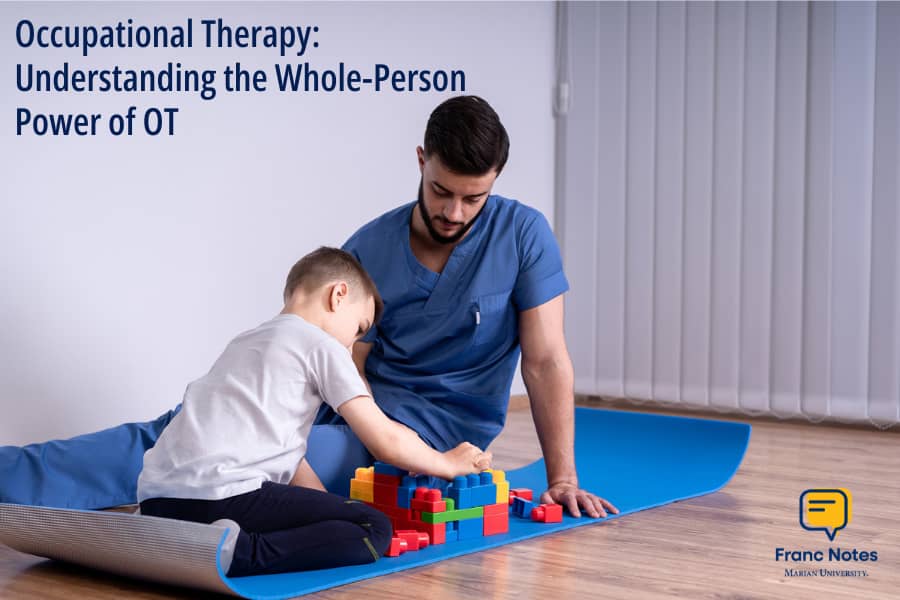
Occupational therapy centers on the everyday tasks—getting dressed, cooking, returning to work—that give life meaning, helping people across the lifespan reclaim function, dignity, and purpose. With a whole‑person, deeply collaborative approach, OTs bridge clinical recovery and real‑life independence, making the field indispensable to modern healthcare and a compelling career to explore.
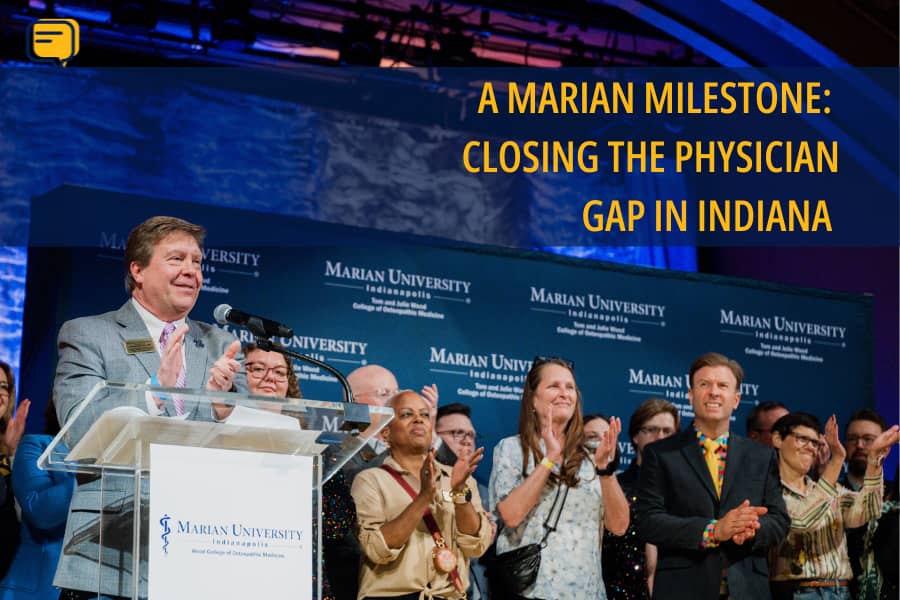
As Indiana continues to face a physician shortage, especially in rural areas, MU-WCOM takes a great step towards addressing this by achieving status as an ACGME-accredited sponsoring institution. Read on to learn more about the potential impact this milestone achievement has on the state of healthcare in Indiana.

Anna Hazelrigg, OMS-2, interviewed Dr. Rebecca Rothstein about medical residency wellness, highlighting programs shifting toward learning-friendly environments that support residents' well-being. Learn how evidence-based teaching is changing residency culture—read the interview on Franc Notes!
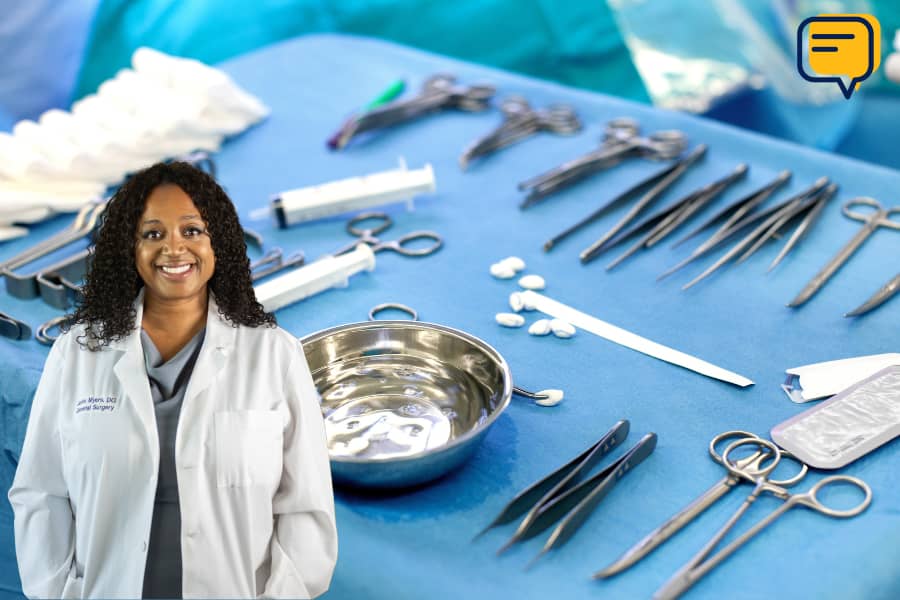
Janie Myers, DO, is a fellowship-trained general surgeon whose candid interview covers her unconventional training, how she balances a demanding surgical career with family and leadership, and practical advice for students—including why she chose private practice and its rewards and challenges. Read student doctor Samuel Baule’s full conversation on Franc Notes for an inside look at what it takes to thrive in general surgery.

Thuwebat Adebayo, OMS-2, completed a six-week rural health preceptorship at Union Hospital last summer, shadowing physicians in Internal Medicine, Family Medicine, General Surgery, Orthopedics, Pediatrics, OB/GYN, and Emergency Medicine. Their firsthand account reveals the distinct challenges and rewards of rural practice—an inside look that reshapes how community-based care is seen.