Locations
Resource Links


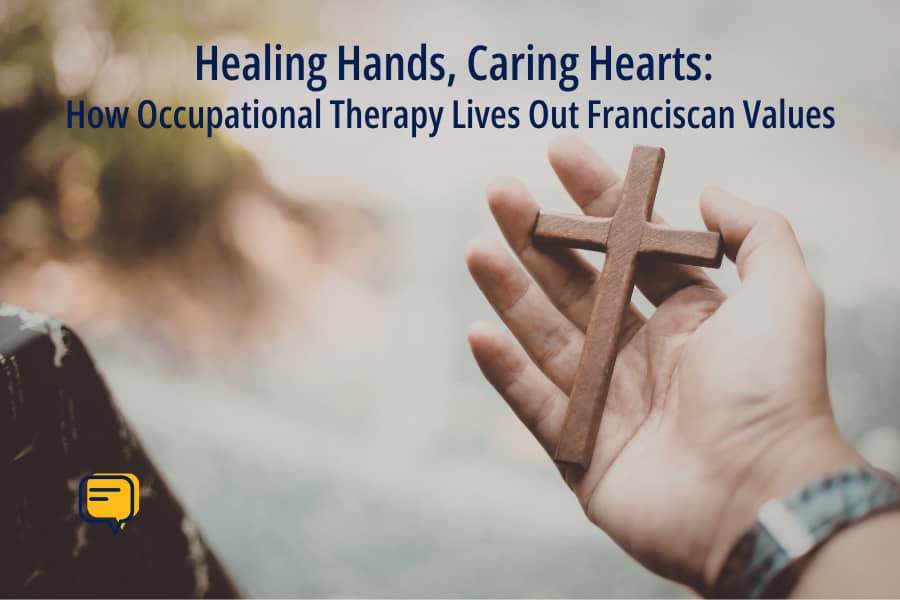
At the intersection of clinical expertise and compassionate care lies a profession that naturally embodies the Franciscan values of dignity, justice, reconciliation, and responsible stewardship. Occupational therapy—with its focus on empowering individuals to participate in meaningful daily activities—isn't just aligned with these values in theory. OT practitioners live them out in every treatment session, every adapted environment, and every restored relationship with daily life.
Occupational therapy's interprofessional foundation and whole-person approach make it an ideal fit for Marian University's mission and our growing health professions community. Our university already prepares future physicians, nurses, and other healthcare professionals. Adding occupational therapy—at the doctoral, master's, and assistant levels—enriches this ecosystem and reflects both the reality of modern healthcare and the depth of our Franciscan tradition.
At Marian, health professions students won't just learn about interprofessional collaboration in a textbook—they'll live it through shared learning experiences, collaborative clinics, and integrated patient care. This collaborative approach aligns perfectly with our Catholic Franciscan tradition. Just as Saint Francis gathered a diverse community of brothers and sisters, each contributing their unique gifts to a shared mission, interprofessional healthcare teams unite different disciplines in service of a common goal—the healing and flourishing of the people they serve.
The four Franciscan sponsorship values that guide Marian University aren't abstract ideals—they're lived realities that find natural expression in occupational therapy practice:
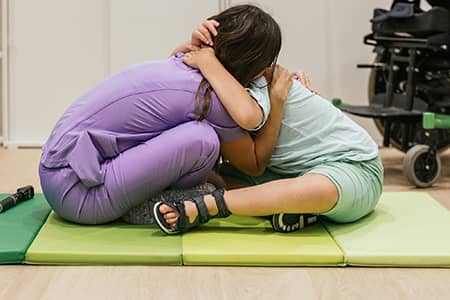
Just as Saint Francis and Saint Clare recognized the inherent worth in every person—from the powerful to the marginalized—occupational therapists honor each client's unique story, strengths, and aspirations. OT practice begins with deep respect for the individual, recognizing that a grandmother who wants to bake cookies with her grandchildren has goals just as important as an athlete returning to competition.
Occupational therapy programs at Marian teach students to see beyond diagnoses and disabilities to the whole person—worthy of dignity, capable of growth, and deserving of compassionate care. This mirrors the Franciscan understanding that every person bears the image of God and deserves to be treated with reverence and respect.
Occupational therapy is fundamentally about justice—the belief that everyone deserves access to meaningful activity and full participation in life, regardless of ability, socioeconomic status, or circumstance. OT practitioners learn to advocate for those whose voices may not be heard: children with special needs navigating an educational system, individuals with disabilities facing environmental barriers, or underserved communities lacking access to rehabilitation services.
Saint Francis's commitment to peace and justice—embodied in his work with the poor, sick, and marginalized—lives on when occupational therapists work to remove obstacles and create pathways to independence. They embody this commitment in every treatment plan that prioritizes client goals, in every environmental modification that promotes access, and in every advocacy effort that challenges unjust systems.
Illness, injury, and disability can create profound disconnection—from one's body, from cherished activities, from social roles, and from community. This rupture affects not just physical function but identity, relationships, and sense of purpose.
Occupational therapists are agents of reconciliation, helping people rebuild relationships with themselves and their worlds. They guide a stroke survivor in reconciling with a changed body, support a child in reconnecting with peers through play, and help families navigate new realities together. This healing work—helping someone find peace with changed circumstances while discovering new possibilities—reflects the Franciscan value of reconciliation in its most practical, tangible form.
The Franciscan call to reconciliation involves healing broken relationships and restoring wholeness. When an OT helps someone adapt to a new reality while maintaining dignity and purpose, they participate in this sacred work of reconciliation.
Occupational therapists are stewards of human potential and community resources. They thoughtfully manage resources—whether teaching clients to conserve energy while managing chronic illness, adapting environments to promote independence with available materials, or advocating for healthcare policies that serve the greater good.
Marian's OT programs emphasize evidence-based practice, ethical resource allocation, and environmental considerations—such as recommending durable medical equipment that minimizes waste or creating sustainable home modifications. This prepares graduates to be responsible stewards of both individual client needs and broader community health, reflecting the Franciscan understanding that we are caretakers of God's creation and called to use resources wisely for the common good.

Like our Franciscan founders, who recognized education as a pathway to human flourishing, occupational therapists understand that learning new skills and adapting to challenges can transform lives. Both embrace a spirit of meeting people where they are and walking alongside them on their journey—not imposing solutions from above, but accompanying individuals with humility and respect.
Students who pursue the Doctor of Occupational Therapy (OTD), Master of Occupational Therapy (MOT), or Associate in Applied Science in Occupational Therapy Assistant (AAS-OTA) at Marian will grow not only in clinical expertise but also in their capacity to see the sacred dignity in every person they serve. They'll join a tradition of Marian graduates who view their professions not merely as careers but as callings—opportunities to bring healing, hope, and wholeness to a world that desperately needs it.
At Marian University, occupational therapy is more than a health profession. It's a ministry of presence, a practice of collaboration, and a daily living-out of Franciscan values that have guided us for generations. As we welcome students into this remarkable field, we're preparing them to be the healing hands and caring hearts that our communities need—working not in isolation, but as vital members of teams dedicated to helping every person live their most meaningful life.
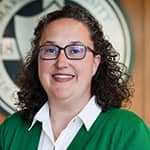 Dr. Kate Huber serves as Associate Dean of Health Sciences and Founding Program Director of the graduate occupational therapy programs at Marian University, where she has been a member of the faculty since April 2024. With nearly two decades of experience in occupational therapy education, Dr. Huber brings expertise in curriculum development, accreditation, and interprofessional education to her leadership role.
Discover the voices of Marian University's health professions students through "Franc Notes", a vibrant, student-led blog that embodies our Franciscan commitment to community, reflection, and compassionate service. Inspired by the rhythm of "SOAP notes," it features weekly insights—from "DO Diaries" interviews with physicians to summer reflections and program spotlights—fostering collaboration across disciplines."