Locations
Resource Links


Choosing between an associate degree and a bachelor’s degree is an important decision when planning your education and career path. An associate degree typically takes two years to complete, while a bachelor’s degree takes about four years. While both degree options can prepare you for the future, they differ in length, coursework, cost, and career opportunities.
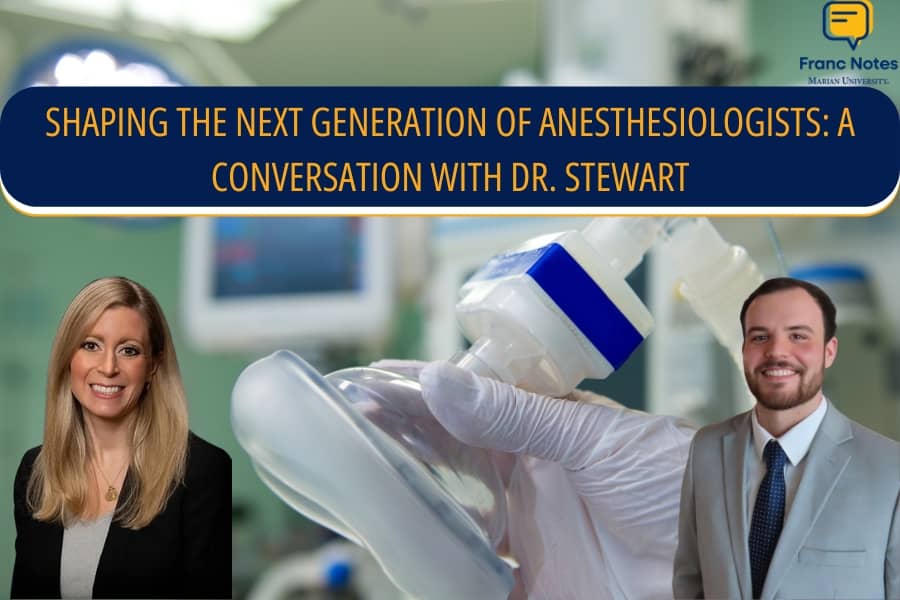
What does it take to become a skilled anesthesiologist and an effective leader in medicine? Dr. Jennifer L. Stewart shares how perseverance, perspective, and hands-on experience shaped her career and her approach to training the next generation of physicians.
Learn how families can support autistic and neurodivergent college students by shifting from fixing problems to coaching independence and self-advocacy.
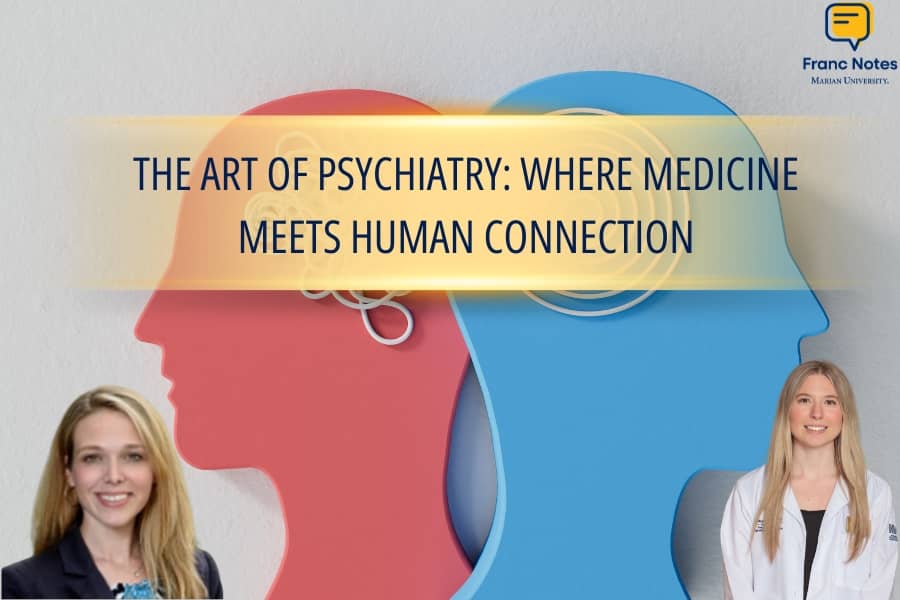
Psychiatry goes beyond symptoms and diagnoses to uncover the stories behind each patient. Discover what makes this specialty uniquely human—and why empathy, curiosity, and connection are just as important as clinical expertise.

Discover how Marian University provides adult learners with advising, tutoring, technology help, and career resources. Explore everything available to fuel your success.
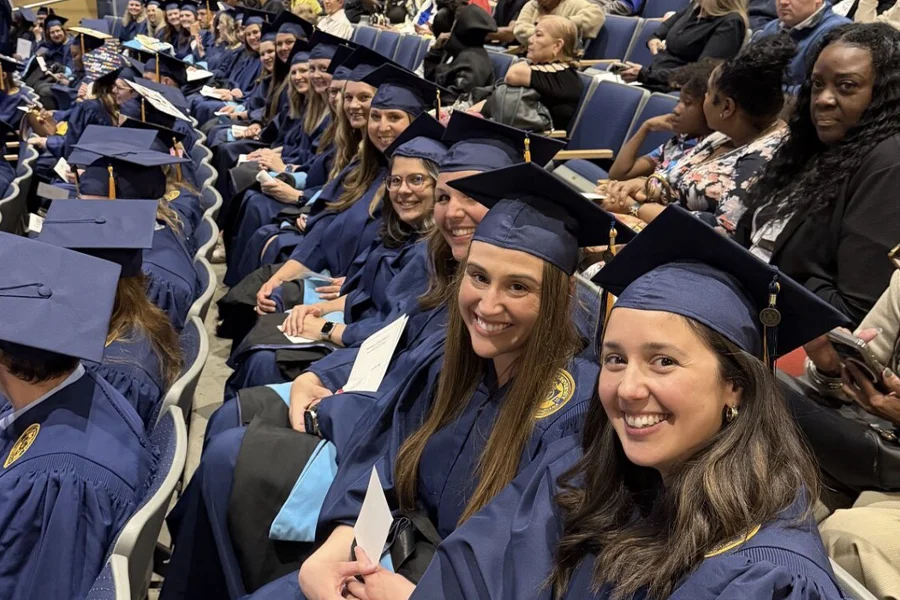
Explore Marian University's IDA-accredited Reading Science program, where educators gain expertise in structured literacy, assessment, and the Science of Reading

Explore the skills gained through an online paralegal certificate, including legal research, writing, litigation and professional responsibility

Discover how Marian University is helping educators recognize dyslexia earlier through literacy outreach, Science of Reading training, and practical classroom-focused professional
The Free Application for Federal Student Aid (FAFSA) is the form students complete to apply for federal financial aid for college. Completing the FAFSA can help determine eligibility for federal grants, loans and work-study, and FAFSA information may also be used to determine eligibility for certain state and institutional financial aid opportunities.
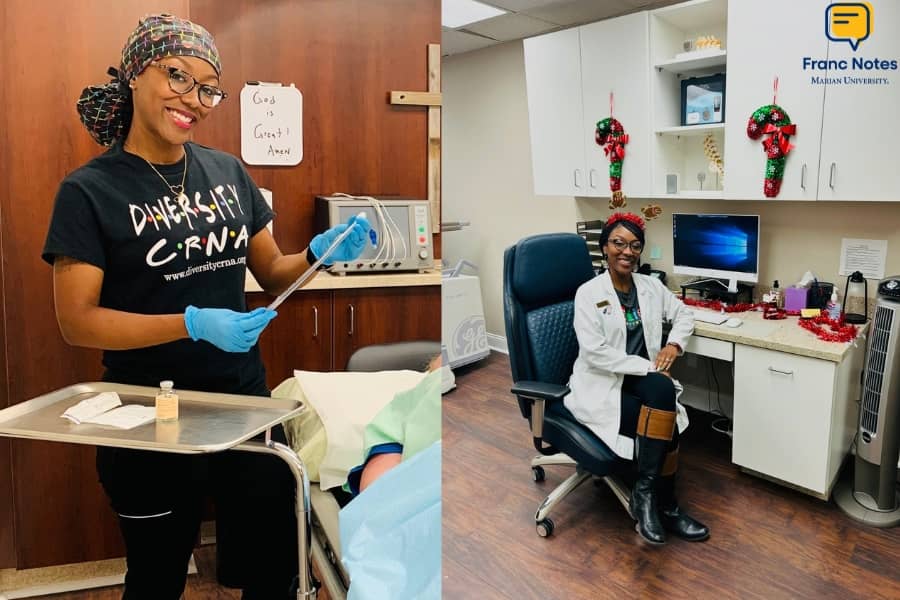
After a last‑minute CRNA acceptance and a failed exam, a former NP battles imposter syndrome, adopts evidence‑based study strategies, and turns the setback into growth—read the full story.
Neurodivergent minds in higher education are often expected to manage much more than the academic work placed in front of them.
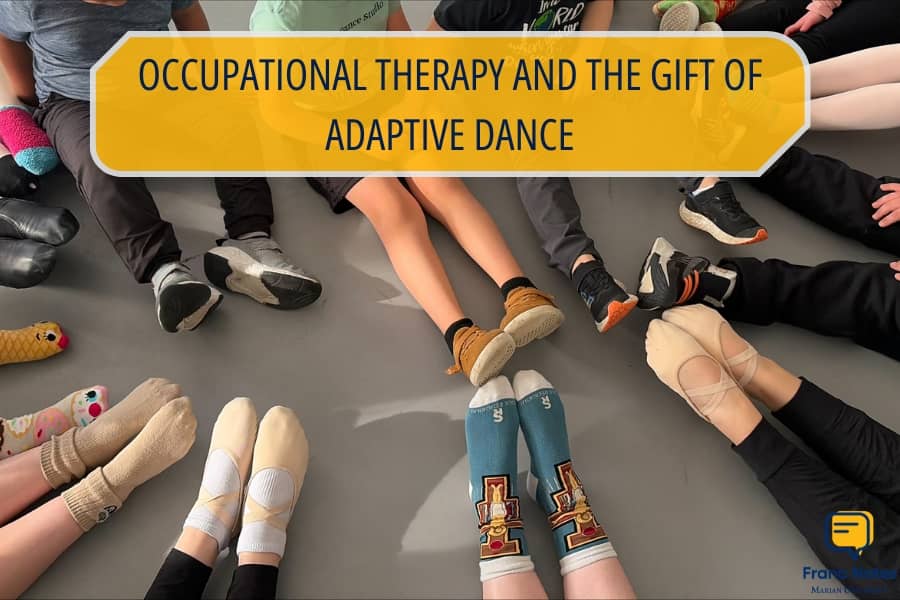
A pediatric occupational therapist recounts how a chance idea became an adaptive dance program where children with disabilities move, make friends, and grow. Read about practical class adaptations, training for future OTs, and the community impact of inclusive arts. Success here is measured by connection, not just performances.
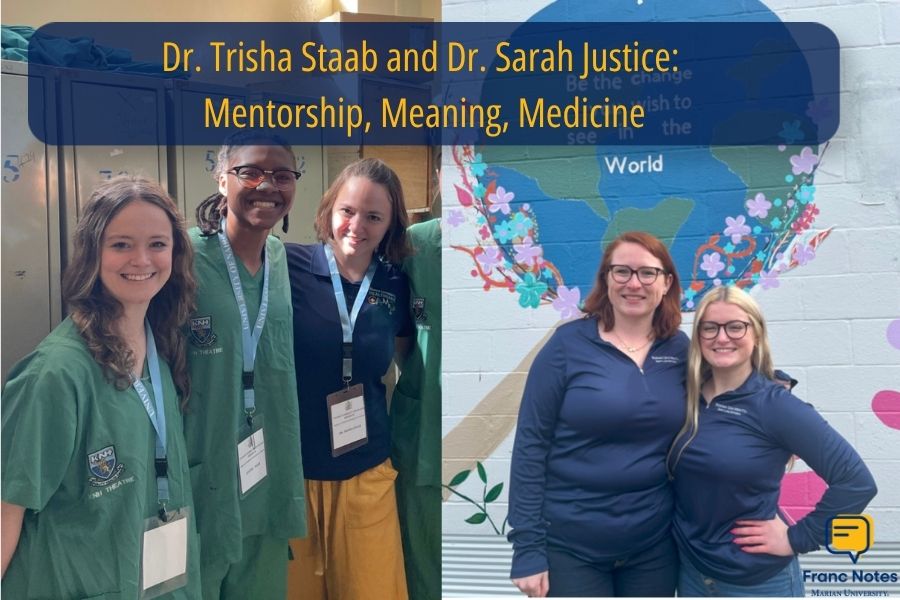
Feeling overwhelmed as a pre-med? Advisors Dr. Sarah Justice and Dr. Trisha Staab share practical tips: find a personal mission instead of “doing everything,” prioritize to avoid burnout, pursue meaningful research with strong mentors—and remember, medicine values empathy as much as science. Read the full interview for more tips.
Candidacy is more than a milestone—it's the bridge from a program's founding vision to full accreditation, and this post explains how Marian University's developing OT and PT programs are meeting that standard. Dr. Huber outlines the rigorous steps, the collaborative work behind them, and what enrolling during candidacy means for students—read on to see why joining now makes you part of the program's foundation.
Accreditation isn’t just paperwork—it's a deliberate act of stewardship and a promise to protect the dignity of every student and future patient. Drawing on work preparing Marian University's new OT and PT programs and experience as an HLC peer reviewer, Dr. Huber explains why rigorous review matters and how institutional values translate into practice.

Near Northwest Area Schools Continue Dramatic Reading Gains
Thinking of applying to a competitive medical residency? This post distills expert advice from a pediatric surgeon and a residency director on what truly matters—from why Step 2/COMLEX scores now carry extra weight, to the power of audition rotations, ERAS signaling, research, and professionalism. Read on for practical tips to make your application stand out.
Meet Dr. Amanda Mathews—a family physician whose path from Iowa to Indiana led her to focus on medically underserved communities and to care for patients across the lifespan. In this interview, she discusses choosing family medicine, integrating psychiatry into her practice, mentoring residents as an assistant site director, and balancing leadership with motherhood. Read her story for career tips and practical advice.
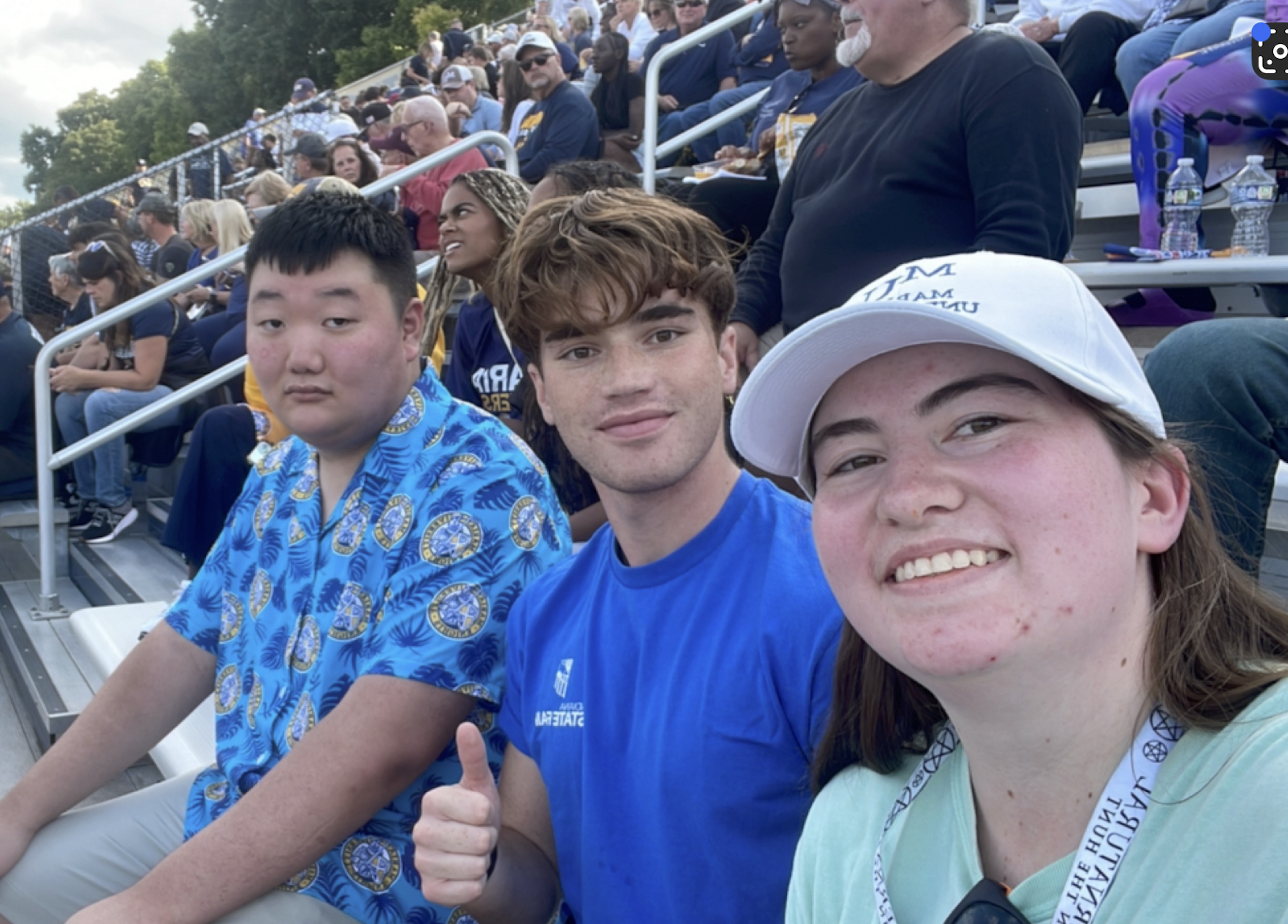
Discover how Marian University’s Spectrum of Knights Autism Program redefines college success for neurodivergent students through personalized coaching, self-advocacy support, and belonging—beyond accommodations alone.

Discover how Marian University provides adult learners with advising, tutoring, technology help, and career resources. Explore everything available to fuel your success.

Explore how Marian University’s undergraduate logistics degree prepares students for high-demand careers in Indiana’s distribution & manufacturing economy.

Today’s supply chains are complex and unpredictable. Learn why strategic thinking drives modern logistics—and how an online degree prepares you to navigate it.

Discover the real-world skills you develop in an online logistics and supply chain degree—from data analysis to operations strategy—and how they apply to today’s careers.

New to AI? Learn how adult learners can use simple tools to research colleges, compare programs, and make confident education decisions.

Discover how Marian University’s Committee on College Pathways for Mothers with Justice Involvement is building a nationally recognized model of reentry education, mentoring and support.