Locations
Resource Links

An autistic college student receives an email from a professor: “Please stop by when you have a chance.”
The professor intends the message to feel casual and welcoming. The student reads it six times. Does “when you have a chance” mean today? Is something wrong? Should the student reply first, schedule an appointment, or simply appear at the professor’s office?
Nothing about the situation is academically difficult. Yet it can consume an enormous amount of mental energy.
Redefining college success for neurodivergent students requires universities to understand moments like this. A student can be fully capable of completing college-level work while still struggling with the unwritten social dynamics and expectations surrounding that work.
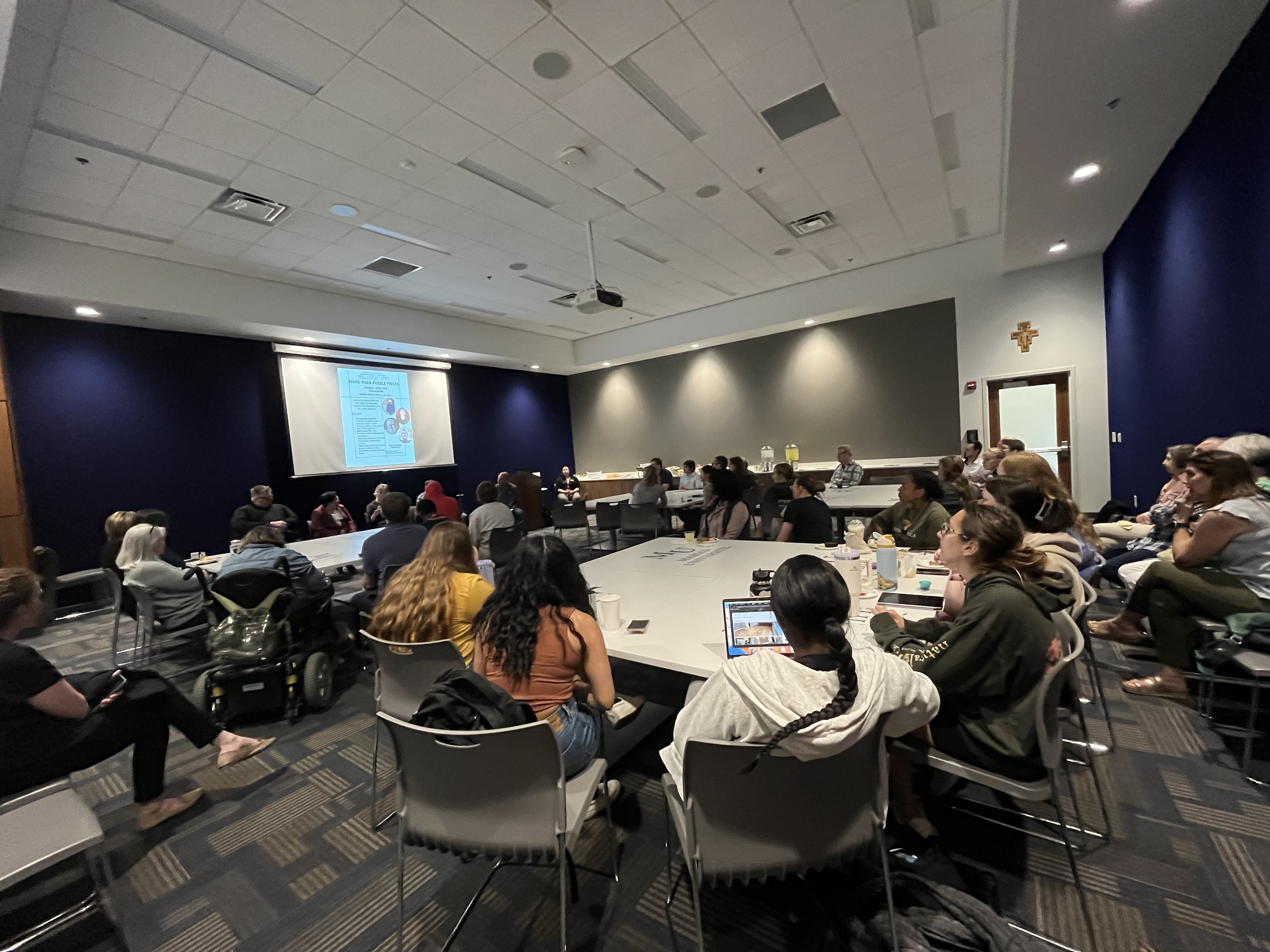
That is the space Marian University’s Spectrum of Knights Autism Program is designed to address.
Every student receives a syllabus. No one receives a complete guide to the hidden navigation curriculum of college.
That hidden navigation curriculum includes knowing when to ask a professor for help, how to manage four courses with four different systems, what to do after missing an assignment, and how to interpret vague directions such as “participate more” or “use your best judgment.”
It extends far beyond the classroom.
Students must learn how to live with roommates, enter unfamiliar social settings, manage meals and laundry, recover when routines change, and decide which campus resource fits a problem they may not yet know how to describe.
Autistic students may bring considerable strengths to college: heightened focus, deep subject knowledge, honesty, persistence, original thinking, and attention to detail. Those strengths do not bypass possible challenges with executive functioning, sensory regulation, social interpretation, or shifting between competing demands.
A student may understand a difficult course concept but lose track of where the assignment was posted. Another may prepare thoroughly for class but become unable to process information after an unexpected room change.
These situations are sometimes mistaken for unfocused motivation.
In reality, they reveal a mismatch between what the student knows and what the environment expects the typical student to manage without direct instruction.
 How Spectrum of Knights Supports Neurodivergent Students at Marian
Many colleges provide disability accommodations, and those accommodations are essential. But an accommodation only helps when a student recognizes their need, understands the process, initiates the request, and consistently uses the support available.
That is a demanding sequence to navigate.
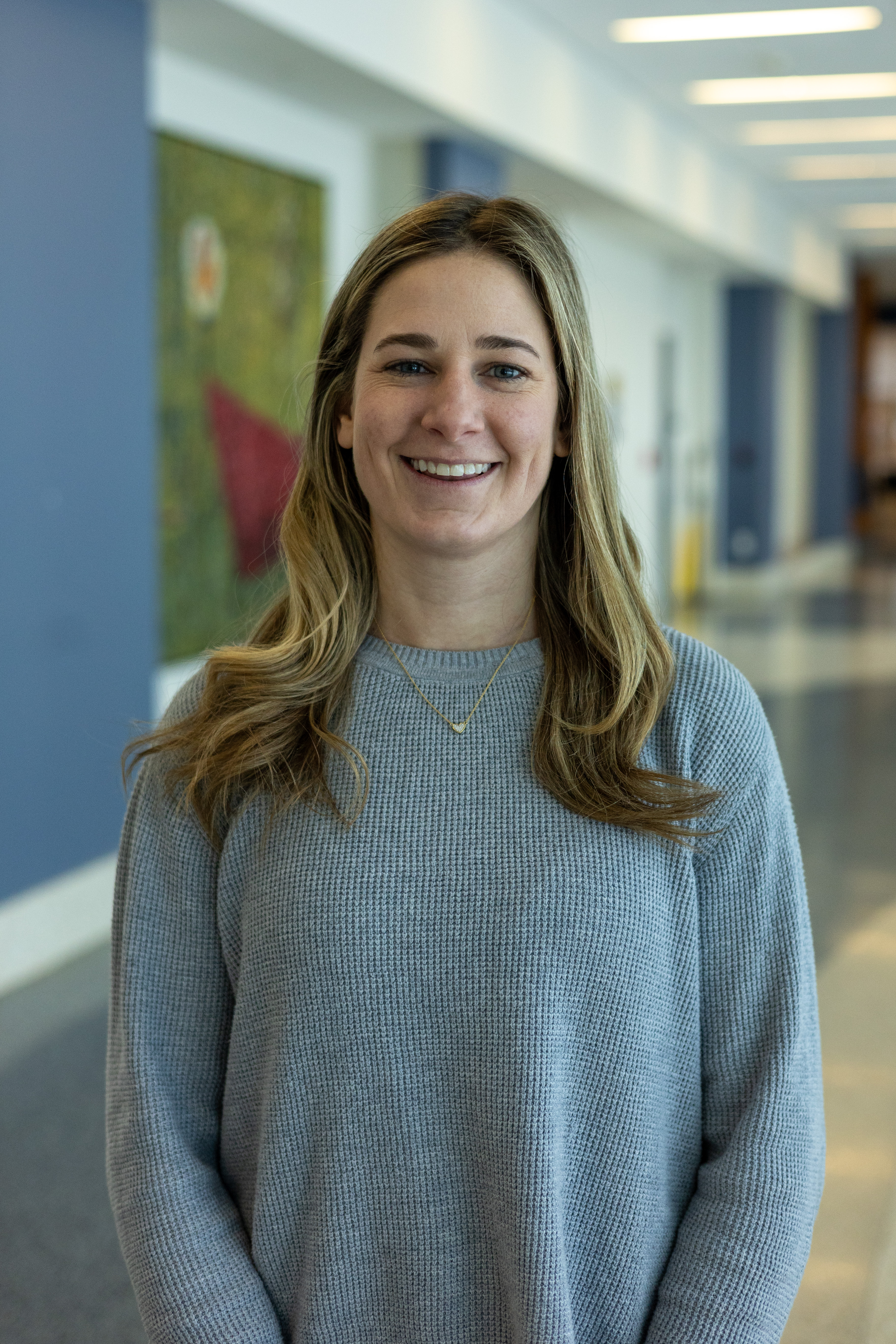
Spectrum of Knights is housed within Marian University's Personalized Learning Center and provides an added level of individualized support for autistic students. The fee-based program allows students to work one-on-one with Autism Coordinator Jill Steinmetz, M.A., BCBA, from their arrival on campus through graduation.
Students receive regular coaching related to executive functioning, problem-solving, self-advocacy, leadership, independent living, social communication, and college success. The program also includes peer mentoring, cohort workshops, structured study opportunities, social programming, transition support, residence-life coordination, and career preparation.
The value is not found in any single service. It is found in how those services connect.
Consider what can happen when a student misses one assignment.
The student may intend to complete it later, then feel embarrassed about the delay. That embarrassment makes contacting the professor harder. Avoidance creates another missed task, and within days, a small organizational problem begins to look like indifference or disengagement.
From inside the student’s mind, asking for help may now require explaining every decision that led to the problem. The longer the delay continues, the heavier the thought of even having that explanation feels.
A regularly scheduled coaching relationship creates an opportunity to interrupt that mental sequence. The student does not have to decide whether the concern is serious enough to justify making an appointment. The relational support and conversation already exists.
Sometimes the most useful support begins with a simple question: “Where did this issue start?”
When students enter college, responsibility for requesting disability support shifts heavily toward them. That change is intended to promote independence, but it can expose a gap of comprehension.
A student may know they are overwhelmed without knowing what could help. They may understand their diagnosis but not know how to explain its effect in a particular classroom. They may fear asking for clarification will make them appear incapable.
Self-advocacy requires far more than confidence to act. It involves self-awareness, timing, communication, problem-solving, and the ability to tolerate an uncertain response.
The purpose of individualized coaching should not be to speak for students indefinitely.
Effective support helps students understand what is happening, identify what they need, and decide how to communicate it. At first, that may require help drafting an email or preparing for a conversation. Later, the student may be able to manage a similar situation with less guidance.
That is how support produces independence.
Independence does not mean refusing assistance. It means knowing yourself well enough to recognize what helps you ideally function, where to find it, and how to participate in creating a solution.
Universities often measure student engagement by visible participation: joining organizations, attending events, speaking in class, and building social networks.
Those activities may be meaningful for some students. They are not the only evidence that a student belongs.
An autistic student may find genuine connection through one trusted friend, a shared interest, a peer mentor, or a quiet place where conversation does not require constant communication.
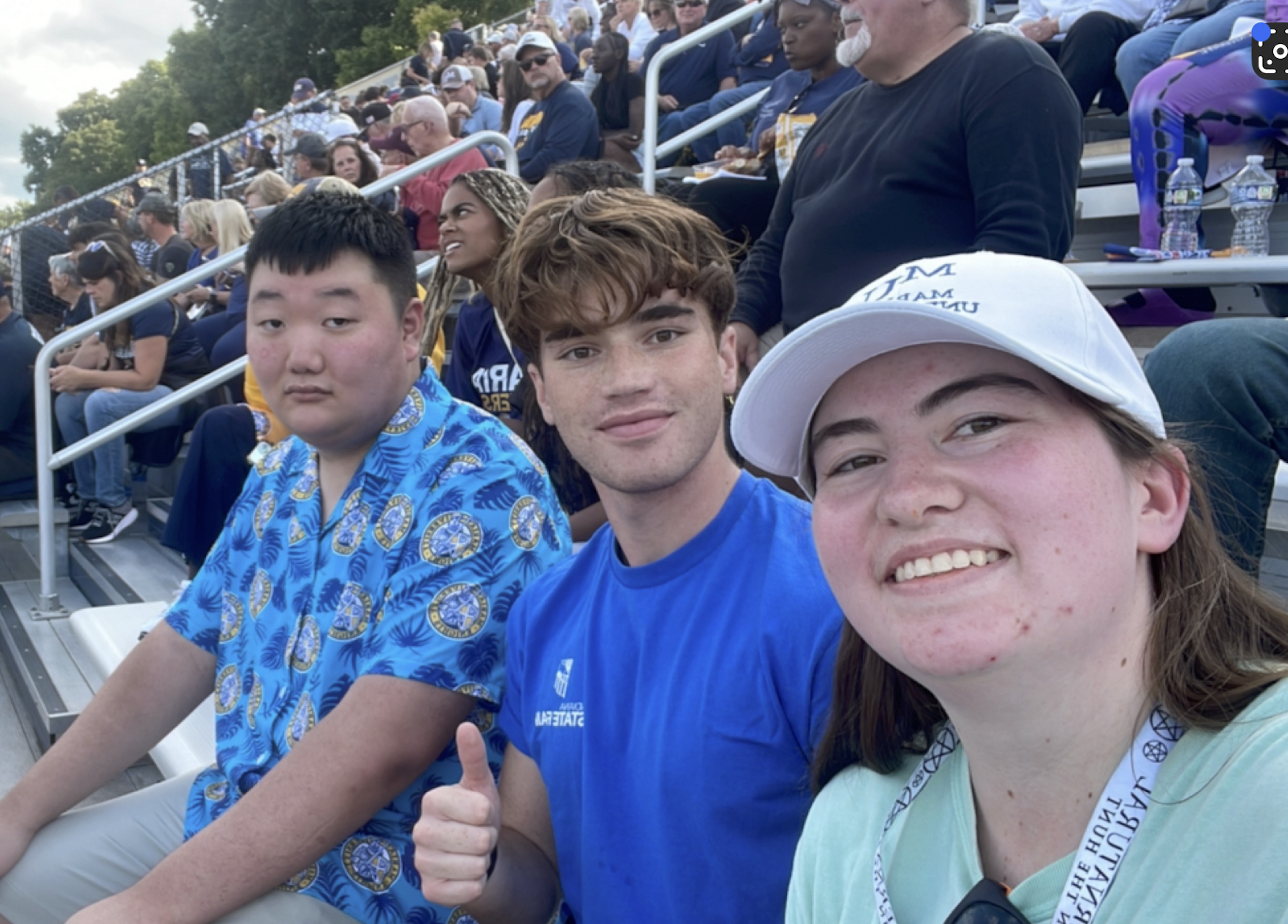
Spectrum of Knights includes peer mentoring and structured social opportunities intended to make campus participation more approachable. Students living on campus may also receive support related to residence-hall transitions and roommate communication.
A strong neurodiverse college support program does not attempt to manufacture one acceptable version of the college experience.
It helps students enter campus life without requiring them to hide the way they think, communicate, or regulate themselves.
This approach fits naturally with Marian University’s Franciscan commitment to the dignity of the individual. Dignity becomes practical when a student is not merely admitted to the institution, but understood well enough to participate as their whole self.
Completing a degree is a major accomplishment. It is not the only outcome that matters.
Students also need to leave college knowing how to manage expectations, recover from mistakes, communicate through uncertainty, and build a working life around both their abilities and any support needs they find helpful.
Spectrum of Knights connects the college experience with career preparation through collaboration with Marian’s career-development resources. Students can receive help with resumes, internships, employment searches, mock interviews, and identifying workplaces where they may be able to contribute and grow.
That connection matters because college is not simply a place to earn credentials. It is one of the places where a person begins learning how to direct their life.
Families searching for autism college programs in Indiana should look beyond the number of accommodations listed on a university webpage. The more revealing questions are harder to answer:
Will someone help the student recognize when support is needed? Will the student be taught how to use it? Will growth be measured only through grades, or through increasing self-awareness, confidence, connection, and independence?
Spectrum of Knights reflects a broader definition of what college support can be.
Getting accepted proves that a student has earned the opportunity to attend.
College success begins when the student can turn that opportunity into a life they increasingly know how to lead.
 Todd Root is President of Strategy and Partnerships for BEST (Building Essential Skills Together) and K1ds Count Therapy, and a Clinical Advisory Board Member for Cicero Therapies. Autistic by wiring and Wall Street-honed by experience, and fluent in technology, intelligence, strategy, and big-idea thinking. Todd challenges the rules of neurodiversity by proving that innovation, not conformity, is a better measure of human potential. His mission is simple: help build the systems, opportunities, and communities that should have existed all along so every neurodivergent mind can thrive within community and self.