Locations
Resource Links


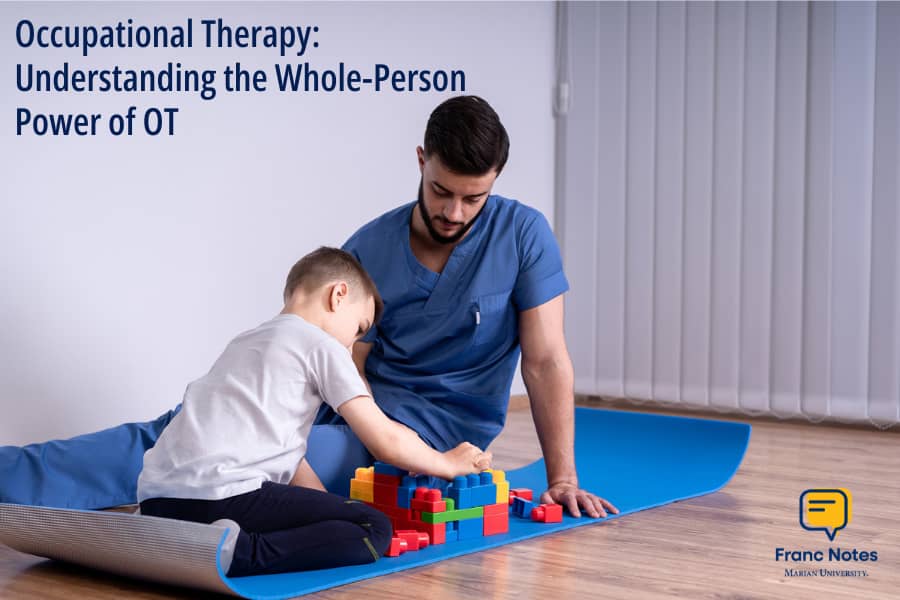
Every day, countless individuals face challenges that many of us take for granted—getting dressed in the morning, preparing a meal, returning to work after an injury, or helping a child learn to write their name. These everyday activities, which occupational therapists call "occupations," form the foundation of an independent, meaningful life. Understanding what occupational therapy actually is—and how OT practitioners work as vital members of healthcare teams—reveals a profession uniquely focused on helping people reclaim not just function, but dignity, purpose, and hope.
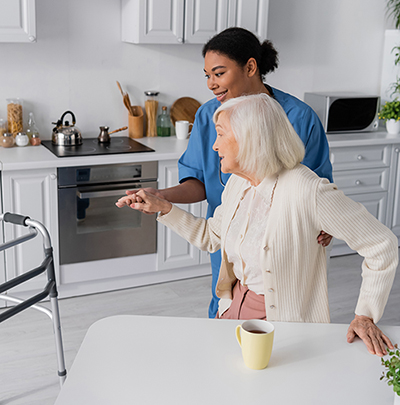 Occupational therapy is often misunderstood—it's not about finding someone a job, though helping people return to work is certainly part of the profession. Rather, occupational therapy is a holistic healthcare discipline focused on helping people of all ages participate in the activities that matter most to them. Whether it's teaching a stroke survivor to regain independence in daily tasks, helping a child with developmental delays master playground skills, or supporting a senior in maintaining the hobbies they love, occupational therapists empower individuals to live their fullest lives.
What sets OT apart from other healthcare professions is its whole-person approach. Occupational therapists don't just treat an injury or condition—they consider the complete picture of a person's life, including their environment, goals, values, and what brings meaning to their days. They ask, "What do you want to do?" and then work collaboratively to make it possible.
An occupational therapist might help a person recovering from a traumatic brain injury relearn how to prepare meals safely, work with a child with autism to develop sensory processing skills, assist someone with arthritis in adapting their workspace, or guide an elderly individual in modifying their home to prevent falls. The profession serves people across the entire lifespan—from premature infants in the NICU to centenarians in their own homes.
One of occupational therapy's greatest strengths is its deeply collaborative nature. OTs rarely work in isolation—instead, they are vital members of interprofessional healthcare teams, bringing a unique perspective that complements and enhances the work of other disciplines.
Consider a patient recovering from a stroke. The physician diagnoses and manages the medical condition. The nurse monitors vital signs and administers medications. The physical therapist focuses on helping the patient regain strength, balance, and mobility, with an emphasis on walking and gross motor skills. The speech-language pathologist addresses communication and swallowing difficulties. And the occupational therapist? They help the patient apply these recovered abilities in real life—using their regained mobility to get dressed independently, their improved hand function to prepare breakfast, and their communication skills to reconnect with family.
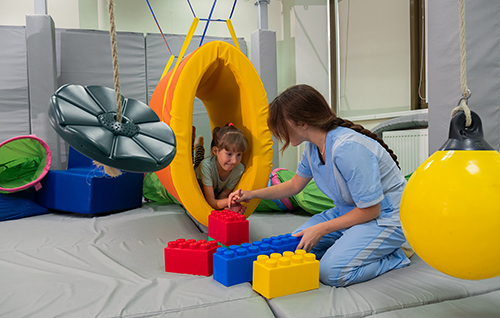
This interprofessional collaboration spans numerous settings. In schools, OTs work alongside teachers, school psychologists, and special education coordinators to help children with learning disabilities or developmental delays succeed academically and socially. In mental health facilities, they collaborate with psychiatrists, social workers, and counselors to help individuals develop coping strategies and daily living skills. In rehabilitation centers, they partner with prosthetists, recreational therapists, and case managers to ensure comprehensive care.
The occupational therapist's holistic view—considering not just the affected body part, but the whole person living their life—makes them invaluable team members. They ask questions others might not think about asking: "How will this person manage their medication routine at home?" "What adaptations will help this child participate in recess?" "What does independence look like for this individual, and how do we get there?"
This interprofessional foundation makes occupational therapy essential in comprehensive health professions education. In modern healthcare, collaboration is not optional but essential. When OT students learn alongside nursing students, future physicians, and other health disciplines, they develop early the humility, communication skills, and ability to value what each profession brings to the table—skills that directly translate to better patient outcomes.
The most effective healthcare doesn't happen in professional silos. It happens when multidisciplinary expertise comes together, each contributing its unique perspective to serve the whole person. Occupational therapy's role in that ecosystem—bridging the gap between clinical recovery and meaningful daily living—makes it an indispensable part of the modern healthcare team.
If you're intrigued by the depth and breadth of occupational therapy—or if you're considering a career that combines clinical expertise with meaningful human connection—there's much more to explore. The National Board for Certification in Occupational Therapy (NBCOT®) offers comprehensive resources about the profession, career paths, and the settings where OTs make a difference. Visit whychooseot.com to discover real stories from occupational therapy practitioners, explore specialty areas, and learn why thousands choose this rewarding profession every year.
 Dr. Kate Huber serves as Associate Dean of Health Sciences and founding program director of the graduate occupational therapy programs at Marian University, where she has been a member of the faculty since April 2024. With nearly two decades of experience in occupational therapy education, Dr. Huber brings expertise in curriculum development, accreditation, and interprofessional education to her leadership role.
Discover the voices of Marian University's health professions students through "Franc Notes", a vibrant, student-led blog that embodies our Franciscan commitment to community, reflection, and compassionate service. Inspired by the rhythm of "SOAP notes," it features weekly insights—from "DO Diaries" interviews with physicians to summer reflections and program spotlights—fostering collaboration across disciplines."