Locations
Resource Links



The Master of Science in Reading Science program at Marian University was intentionally developed to address the urgent need to strengthen literacy outcomes and help close persistent reading achievement gaps. Grounded in the research base known as the Science of Reading, this innovative program prepares educators and literacy leaders to design and implement evidence-based reading instruction that supports diverse learners. The program has earned accreditation through the International Dyslexia Association (IDA), recognizing Marian’s alignment with rigorous standards for educator preparation in evidence-based literacy instruction.
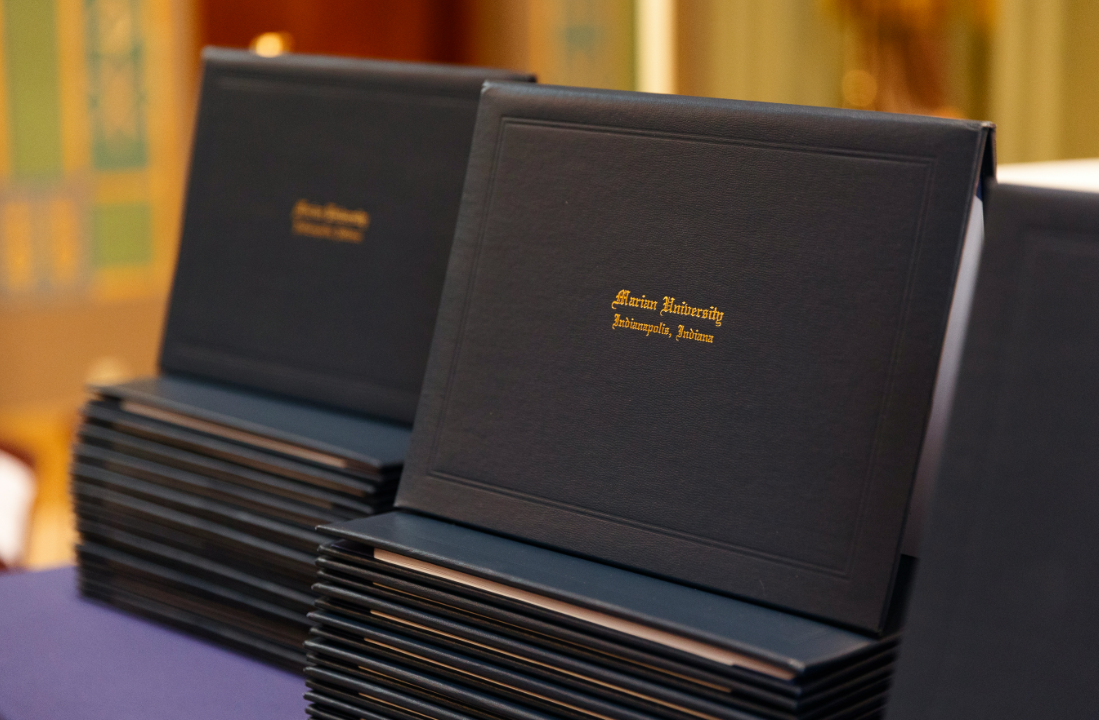
With the graduation of the program’s inaugural cohort in May 2026, Marian University marks an important milestone in advancing evidence-based literacy preparation. Through courses grounded in structured literacy principles and aligned to IDA's knowledge and practice standards, graduates are equipped to lead literacy improvement efforts, apply research-informed instructional practices, and make a meaningful impact on reading development across educational settings.
Marian University's Master of Science in Reading Science stands apart from traditional graduate education programs through its intentional focus on evidence-based literacy instruction grounded in the Science of Reading. Developed in response to growing national attention on literacy outcomes and educator preparation, the program integrates current research, practical application, and rigorous standards to prepare educators to make informed instructional decisions that improve student reading achievement.
As an IDA-accredited program through the International Dyslexia Association, Marian’s curriculum reflects recognized standards for preparing educators in evidence-based literacy instruction. Coursework is designed to bridge research and practice, equipping graduates to translate research into meaningful classroom implementation across diverse educational settings.
At the core of Marian’s program is structured literacy—an explicit, systematic, and cumulative approach to reading instruction informed by the Science of Reading. Structured literacy emphasizes the development of foundational reading skills, including phonological awareness, decoding, spelling, fluency, vocabulary, and comprehension through intentional and responsive instruction.
This approach supports all learners and has demonstrated particular value for students who experience difficulty learning to read, including those with characteristics of dyslexia. Rather than focusing solely on broad literacy theory, Marian’s curriculum prepares educators to understand the research that informs us how reading develops, interpret assessment data, and apply evidence-based instructional practices that respond to students’ individual literacy needs.
Marian’s Reading Science program combines rigorous coursework with applied learning experiences designed to strengthen educators’ knowledge and practice in literacy assessment, instruction, and intervention. The courses are aligned with the nationally recognized IDA Knowledge and Practice standards and taught by experts in the field.
Graduates leave the program prepared to evaluate literacy outcomes, implement evidence-based instructional practices, support diverse learners, and serve as informed literacy leaders within schools and educational communities. The emphasis is on developing deep expertise in reading development and effective literacy instruction that can create meaningful impact for students.
Reading success is foundational to academic achievement, yet many students continue to experience difficulty developing proficient reading and writing skills. Today’s educators are increasingly expected to understand how reading develops, recognize patterns of student strengths and needs, and implement instruction that reflects the growing body of evidence about effective literacy instruction.
As schools and states continue to strengthen literacy initiatives, there is increasing demand for educators who can apply research-informed practices to support all learners and improve reading outcomes across diverse educational settings.
Schools across the country are placing greater emphasis on literacy instruction grounded in research and responsive to student data. To meet the needs of increasingly diverse classrooms, educators need more than general teaching strategies—they need a deeper understanding of reading development, assessment, and instructional decision-making.
Programs grounded in the Science of Reading help prepare educators to deliver explicit, systematic, and responsive literacy instruction. This broader shift toward evidence-based practice reflects a growing commitment to ensuring that all students—including those who experience reading difficulties—have access to effective instruction.
Traditional approaches to literacy instruction have not always reflected the current research base on how reading develops and how to respond when students experience difficulty. Educators today benefit from preparation that combines foundational knowledge with practical application and data-informed decision-making.
Reading Science programs prepare educators to understand the cognitive and linguistic processes involved in reading and to apply evidence-based instructional practices that strengthen foundational skills, language comprehension, fluency, vocabulary, and overall literacy development. This preparation equips educators to make informed instructional choices that support student success across a wide range of learning needs.
 IDA accreditation reflects a program’s commitment to quality, continuous improvement, and alignment with the Knowledge and Practice standards for educator preparation. For graduate students, accreditation provides confidence that a program has undergone a rigorous external review process and that its curriculum, assessments, and learning experiences are designed to prepare educators for meaningful professional practice.
Marian University’s Master of Science in Reading Science has earned accreditation through the International Dyslexia Association, recognizing the program’s alignment with nationally recognized expectations for evidence-based literacy educator preparation. Within the context of reading science, this accreditation affirms that the curriculum is grounded in current research and reflects best practices in literacy assessment, instruction, and intervention.
Rather than focusing on a single credential pathway, Marian’s program prepares educators to develop deep expertise in reading development and evidence-based literacy practices that can strengthen outcomes for students across diverse educational settings.
Choosing to pursue a graduate degree is a meaningful personal, professional, and financial investment. IDA accreditation provides educators and school leaders with assurance that the program’s coursework and clinical experiences reflect high expectations for quality and relevance.
For educators, this means confidence that their learning is connected to current literacy research and instructional practice. For schools and districts, it signals that graduates have engaged in a rigorous preparation experience designed to strengthen instructional decision-making, support literacy improvement efforts, and contribute to stronger reading outcomes for all students.
Marian University’s Master of Science in Reading Science represents a significant milestone in literacy educator preparation in Indiana. Developed to meet the growing demand for evidence-based literacy instruction, the program was created to prepare educators with deep knowledge of reading development, assessment, and instruction grounded in the Science of Reading.
With the graduation of the inaugural cohort in May 2026 and the completion of the program’s first implementation cycle, Marian celebrates an important moment in the program’s evolution. This milestone reflects the realization of a bold vision: preparing literacy leaders equipped to strengthen reading outcomes and expand access to high-quality literacy instruction in schools and communities.
Every new program begins with a vision. For Marian University's Master of Science in Reading Science, that vision was to prepare educators with the knowledge and skills needed to transform literacy instruction through evidence-based practice. The graduation of the inaugural cohort marks the successful realization of that vision and the completion of the program's foundational chapter.
While this milestone celebrates the accomplishments of the program's first graduates, it also signals the beginning of an expanding community of literacy leaders. As alumni continue to influence classrooms, schools, districts, and educator preparation programs, they carry Marian's commitment to research-informed instruction and improved literacy outcomes into the communities they serve.
Graduates of Marian’s Reading Science program are positioned to influence literacy outcomes well beyond their own classrooms. Through advanced preparation in the Science of Reading, literacy assessment, structured literacy principles, and evidence-based instructional practices, they are equipped to make informed instructional decisions that support a wide range of learners.
Whether serving as classroom educators, literacy specialists, instructional leaders, or advocates for evidence-based practice, program graduates contribute to stronger systems of literacy instruction and help create more opportunities for students to become successful readers.
Our brains are not naturally wired for us to read and write—Both require intentional, evidence-based instruction that supports the development of foundational literacy knowledge and skills. As educators seek stronger preparation to meet the needs of increasingly diverse learners, the demand for high-quality literacy education continues to grow.
Recognizing both the importance of literacy and the need to strengthen educator preparation, Marian University developed its Master of Science in Reading Science to bring together research, instructional practice, and professional community. Grounded in the Science of Reading and strengthened through IDA accreditation, the program prepares educators to translate evidence into action and improve literacy outcomes across educational settings.
Marian’s fully online M.S. in Reading Science program was designed to combine academic rigor with flexibility, allowing educators to deepen their expertise while continuing to work in their professional roles.
The program emphasizes the direct application of learning to authentic educational contexts. As educators engage with current literacy research, assessment practices, and evidence-based instructional approaches, they are encouraged to apply new knowledge immediately within their classrooms, schools, and instructional settings. This connection between coursework and practice creates opportunities for meaningful professional growth while strengthening student literacy experiences in real time.
While the graduation of Marian’s inaugural cohort marks an important milestone, it also represents the beginning of a broader and lasting impact. Throughout the program, educators have built professional relationships grounded in shared learning, collaboration, and a commitment to improving literacy outcomes.
As graduates move into leadership roles across classrooms, schools, districts, and educator preparation programs, they carry forward a community dedicated to advancing evidence-based literacy instruction. The influence of Marian’s Reading Science program extends beyond coursework—creating a growing network of educators working to strengthen literacy opportunities for students and communities for years to come.
Every degree program at Marian University is grounded in the Franciscan values of dignity, justice, reconciliation, and responsible stewardship. These values are reflected in the Master of Science in Reading Science program through a commitment to expanding educational opportunity and preparing educators to meet the literacy needs of all learners.
Grounded in the Science of Reading and strengthened through accreditation by the International Dyslexia Association, the program combines rigorous coursework, applied learning experiences, and evidence-based literacy practices to prepare educators for meaningful impact. Rather than focusing solely on theory, Marian’s approach emphasizes the translation of research into instructional decision-making that supports reading development across diverse educational settings.
Through this preparation, Marian graduates are equipped to strengthen literacy instruction, use assessment to guide teaching, and serve as advocates for high-quality, evidence-based educational practices. They leave the program with both the knowledge and confidence to create lasting opportunities for the students and communities they serve.
As Marian celebrates the graduation of the inaugural cohort and reflects on the completion of the program’s foundational chapter, the impact of the Master of Science in Reading Science is already extending far beyond the university.
Program graduates enter classrooms, schools, and leadership roles with deep preparation in reading development, structured literacy principles, assessment, and evidence-based instructional practices. Their work has the potential to influence how literacy instruction is designed and delivered, helping ensure that more students have access to effective reading instruction and stronger literacy outcomes.
This milestone represents both a celebration and a beginning—one that reflects Marian University’s continued commitment to advancing literacy through research-informed educator preparation and meaningful educational leadership.
Learn more about Marian University Commencement 2026, and get ready to celebrate the final cohort of the MS in Reading Science program's initial chapter.
Sources