Locations
Resource Links


Matching into a competitive specialty, especially many of the top surgical specialties, is extremely difficult and nerve-racking, especially when you are unsure what steps to take to maximize your chances of getting into the specialty of your choice.
Medical students often don’t know what residency directors look for in applications, so this article explains what matters and guides you on how to become the strongest applicant possible. To do this, I interviewed Dr. Chad A. Wiesenauer, a pediatric surgeon at Ascension St. Vincent, and Lisa Stuart, the residency director for the general surgery program at Ascension St. Vincent.
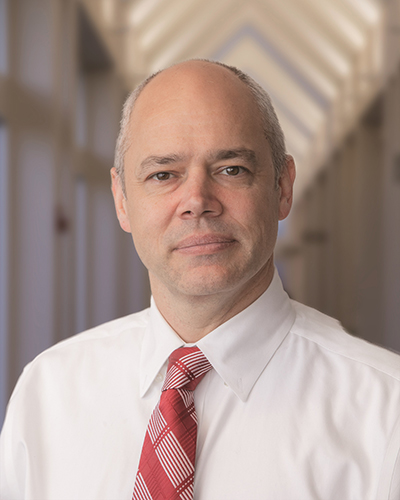
Both emphasized the importance of strong academic performance, particularly on standardized board exams. Residency directors want to see that you did well in school. Still, they need a way to level the playing field across schools with different standards, and with board exams now moved to pass/fail, this puts much more emphasis on the board exam you choose to take.
I think that we all understood this, but what may not have crossed your minds is that residencies use this as their first screening tool. There are far too many applications to review in depth, so many residency directors use this to narrow the applicant pool. Dr. Wiesenauer noted that a high COMLEX or USMLE STEP 2 score is now essential to even “get your foot in the door.”
So, while COMLEX or STEP 2 are very important, a high score is no longer the only thing that gets you in; they serve as a foundation and screening tool for strong applicants.
Many osteopathic students also worry about possibly having to take two exams (COMLEX and USMLE). We receive conflicting advice from many people on whether to take both. I am not here to tell you the right answer, but I encourage you to do your own research, as you may be surprised to learn that many specialties, even competitive ones, don't require both exams. For instance, many general surgery programs do not require both exams to apply and get accepted.
Beyond academics, early and sustained engagement in meaningful extracurricular activities is critical. During the first two years of medical school, students should focus on mastering the coursework while also pursuing research or leadership opportunities that distinguish them from their peers.
These activities not only demonstrate initiative but also help to build a cohesive narrative for residency applications.
Clinical performance during third- and fourth-year rotations is another pivotal factor. Dr. Wiesenauer emphasized the importance of excelling in rotations and using resources such as surgery handbooks to strengthen clinical knowledge and be well prepared to support the residents and attendings you will be working with.
Good scores during these rotations, strong professional relationships, and letters of recommendation and faculty evaluations play a significant role in application interviews.
Up to this point, we've focused mostly on the application that gets your foot in the door and into the hands of the right people to accept you into a residency program.
A major component, if not the most important, especially for osteopathic students, is the audition or away rotation, particularly for competitive specialties. Both interviewees highlighted the importance of these rotations in demonstrating clinical ability, work ethic, and interpersonal skills.
At institutions like Ascension St. Vincent, which operates as a smaller, community-based program, applicant ‘fit’ is especially important. Residents and attending physicians closely evaluate students’ teamwork, attitude, and adaptability, with current residents often providing direct input into the ranking decisions.
Students are encouraged to contribute actively during rotations, help residents without overstepping boundaries, and seek opportunities to stand out in a positive, professional way. This can be a fine line to navigate without overstepping, but it is crucial to show you can work well in an environment with a team already in place.
However, Lisa Stuart pointed out that the best way to do this is to be yourself because it goes both ways: they want a resident who is a good fit for them, and you need a residency that is the right fit for you.
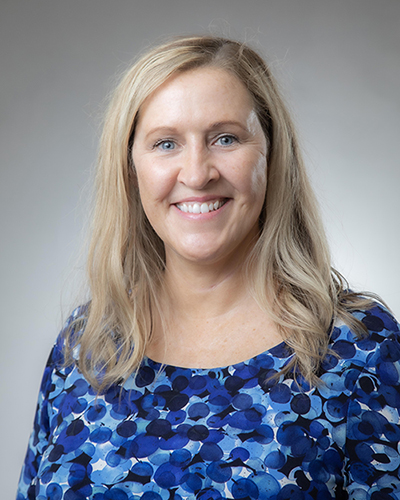
To perform well at audition rotations for the residencies of your choice, you must secure those rotations, which can be hard.
Securing audition rotations requires both formal and informal strategies. While many programs use the VSLO (Visiting Student Learning Opportunities) platform, students are also encouraged to contact program directors or faculty directly as a preemptive strategy, so programs recognize your name when it comes through.
Dr. Wiesenauer advised that many smaller programs may even require additional materials, such as a personal statement paragraph and exam scores, and Lisa Stuart noted that reaching out for information or expressing interest can be beneficial and is generally well received.
Another critical element to residency applications is finding a way to differentiate yourself from other applicants. While there are certain things every student should have, residencies also want to see what makes you unique because, while scores and grades qualify you for the program, personality and uniqueness can be a big factor in making sure you are the right fit for their specific program.
Even smaller programs like Ascension St. Vincent receive over 1,000 applicants for just three positions. This can include research in your interest area, unique and personal extracurricular involvement, or a compelling personal story.
Additionally, ERAS signaling has become an important tool, allowing students to demonstrate genuine interest in specific programs. However, this also means many programs do not closely review applicants who have not signaled their program.
Each specialty has different numbers of signals, so it is important to do your research ahead of time and use your signals strategically by researching programs that are the best fit for you and offer the highest probability of admission.
Finally, both interviewees emphasized professionalism and cultural fit. Showing up to auditions in unprofessional clothes and unprepared can negatively impact your chances of getting in.
You should look at every day of an audition as another day of interviews, a chance for them to get to know you and you to get to know them.
Residency programs select not only capable, qualified clinicians but also individuals who will integrate well into their teams over the next several years. This is particularly true in smaller programs, where close working relationships amplify the importance of interpersonal compatibility.
In conclusion, matching into a competitive specialty requires a multifaceted approach that includes strong board scores, meaningful extracurricular involvement, strong clinical performance, strategic audition rotations, and intentional relationship building.
By combining professionalism with self-directed growth, medical students can significantly improve their chances of matching into their desired specialty.
 Kapil Reddy is a second-year medical student at the Marian University Wood College of Osteopathic Medicine. He is passionate about orthopedics and, in particular, sports medicine and trauma; however, he has an interest in many areas of medicine. He currently serves as the Co-Executive Chair for the Near West Free Clinic and would love to continue serving the medically underserved population throughout his career. Feel free to email him if you have questions.
Discover the voices of Marian University's health professions students through "Franc Notes", a vibrant, student-led blog that embodies our Franciscan commitment to community, reflection, and compassionate service. Inspired by the rhythm of "SOAP notes," it features weekly insights—from "DO Diaries" interviews with physicians to summer reflections and program spotlights—fostering collaboration across disciplines."