Locations
Resource Links


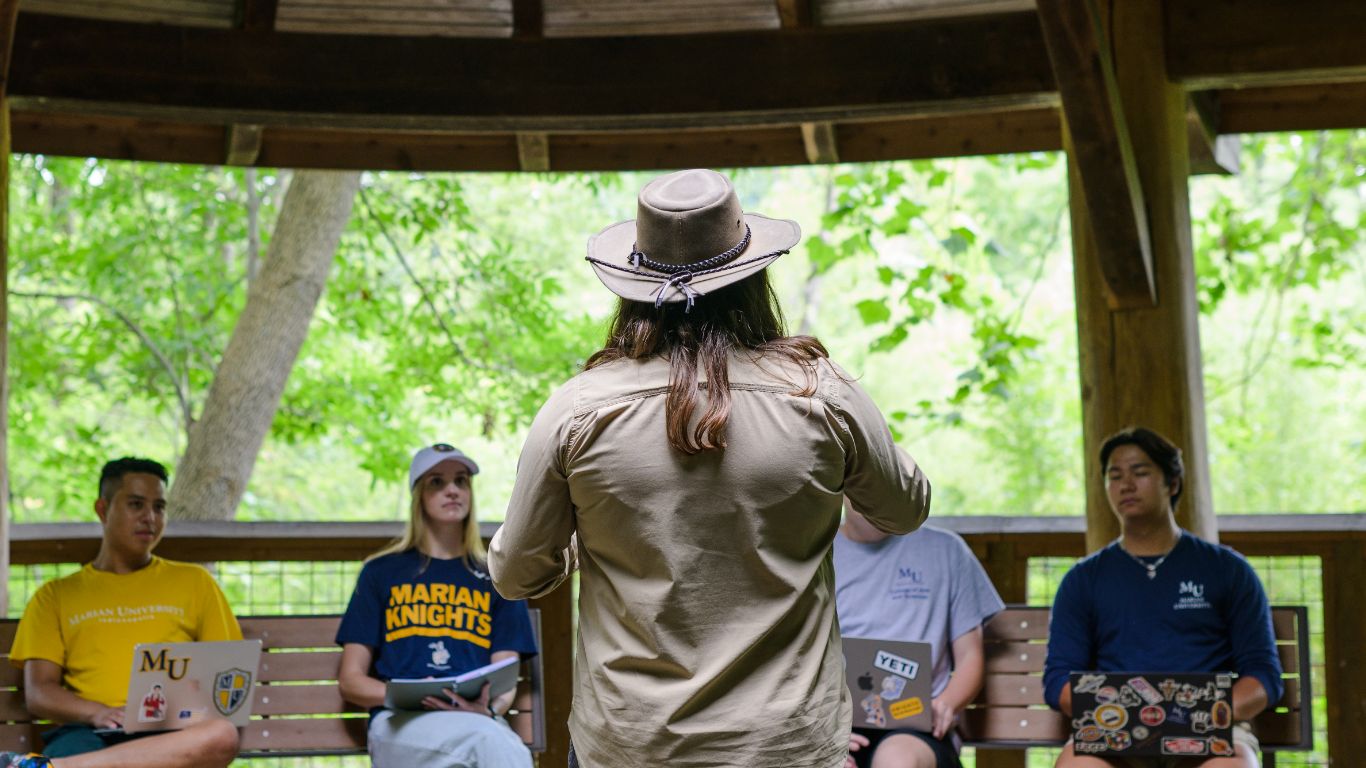
This 75-acre wetland and lowland forest is one of the best-preserved landscapes designed by renowned landscape architect Jens Jensen in 1911. And, because he used all native Indiana plants in his planting plan, it’s also one of the earliest examples of ecological restoration in the world. Less than 10 minutes from downtown, today the EcoLab is a thriving sanctuary for wildlife, including beavers, mink, muskrat, and over 170 species of birds. Don’t miss the chance to spot the resident beaver colony and their lodge on the Jens Jensen Pond!
 Explore nearly 30 acres of wetlands, rare in Indiana, and walk the historic trails that wind through the former Riverdale estate of James A. Allison, founder of the Indy 500. Cobblestone bridges, spring-fed pools, and limestone stairways create a unique blend of nature and history.
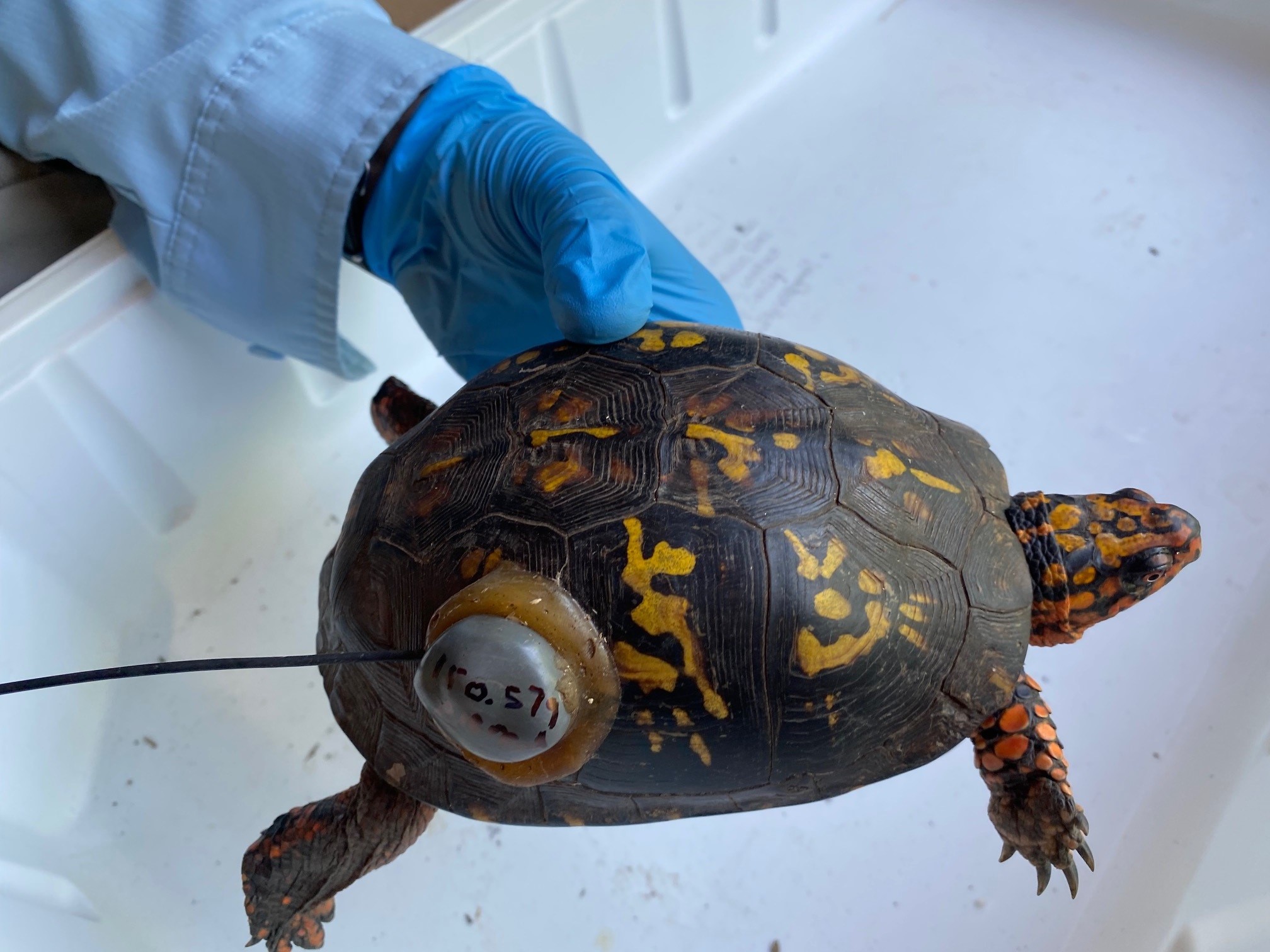
Marian students use the EcoLab for hands-on learning in environmental biology courses and exciting research projects, including tracking a radiotagged population of eastern box turtles. Student interns gain practical experience doing ecological restoration while getting paid to spend time in nature. It’s a peaceful escape for learning and exploration.
The EcoLab provides field trips for High school classes and scout groups along with programming for the general public. It’s also open to the public daily from dawn to dusk. Plan your visit, today!
Visit the events calendar!
Are you passionate about the environment and eager to gain hands-on experience in Restoration Ecology and Environmental Biology? The Marian University Nina Mason Pulliam EcoLab offers an exciting internship for current Marian Indianapolis students interested in making a real impact on our local ecosystem while gaining employment skills in the environment.
As an EcoLab Intern, you’ll work in a collaborative team environment, receiving practical training in land management and environmental education. The internship offers the chance to work primarily outdoors, where you will contribute to the restoration of our 75 acres of wetlands, forests, and prairies, as well as maintaining our three miles of trails.
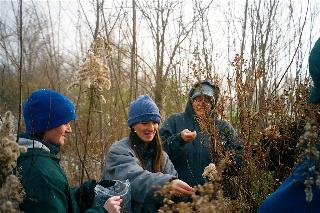 EcoLab interns learn to:
- Identify, prioritize, and remove invasive species
- Calculate, mix, and apply herbicides responsibly for invasive species control
- Install native plants
- Maintain trails, deal with erosion issues, remove fallen trees
Additionally, you’ll have the opportunity to participate in long-term research projects such as Eastern Box Turtle research and benthic macroinvertebrate water surveying, contributing to valuable ecological data collection.
Throughout the school year, EcoLab Interns may also help lead educational field trips, providing environmental education to visitors.
This paid internship for current Marian students is an excellent opportunity to gain the skills needed for a career in Restoration Ecology and Land Management while making a positive difference on our local environment.
Ecological restoration at the Marian University Nina Mason Pulliam EcoLab is deeply rooted in Marian University's core value of responsible stewardship, inspired by the teachings of St. Francis of Assisi, who emphasized care for creation. Guided by this mission, the EcoLab serves as a living testament to the university’s commitment to environmental responsibility and education. Through hands-on participation in conservation efforts, Marian University is empowering students and the broader community to become stewards of the Earth, continually transforming the EcoLab into a thriving, natural ecosystem.
The mission of the EcoLab is not only to restore the ecological integrity of land but also to engage others in this crucial work. Restoration ecology is both an art and a science, and the EcoLab provides students and community members with the unique opportunity to learn through hands-on experience. We believe that the best way to foster a deep understanding of environmental stewardship is to invite students and the local community to actively participate, and by doing so, become invested in the native Indiana landscape.
The current restoration work builds upon a century-old vision. In 1911, famed landscape architect Jens Jensen began a landscape design/restoration project using native plant species on what is now Marian University's campus. Jensen's approach to landscape architecture embraced the beauty and diversity of native flora. He believed that nature should guide design, allowing plants to thrive naturally in their environment. His work still influences the EcoLab’s mission today, keeping aesthetic sensibilities in mind while using the principles of modern restoration ecology to rehabilitate ecosystems.
The restoration of the EcoLab is an ongoing project that honors both the legacy of pioneers like Jens Jensen and the commitment of today’s volunteers, students, and faculty. By restoring native habitats, we aim to preserve biodiversity and ensure that this unique space continues to thrive for generations to come.
The Nina Mason Pulliam EcoLab is part of the academic curriculum at Marian University. It is used primarily in the environmental and biological science courses, and is also used by the departments of Chemistry, Education, Art, Political Science, English, Theology, and others.
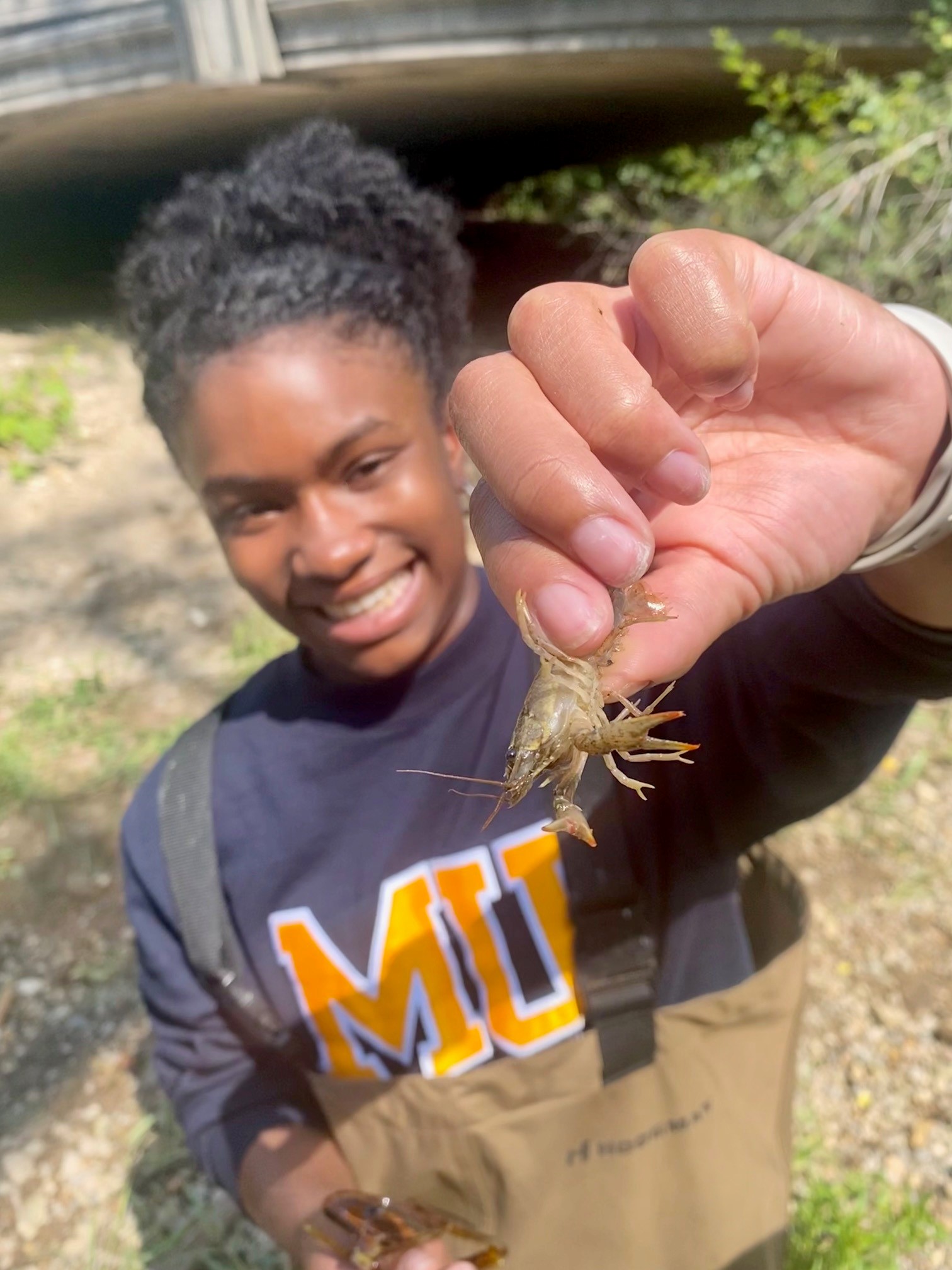
Marian offers a variety of environmental courses each year. Courses combine practical environmental applications with the strong theoretical underpinnings needed to be a successful Environmental Scientist or global citizen. Students sample the macroinvertebrates in Crooked Creek, flowing through the EcoLab. They learn plant and animal identification just steps from the classroom. Student EcoLab Interns learn ecological restoration while getting paid to actually do ecological restoration in the EcoLab.
Other students participate in research studies based in the EcoLab including exploring the impact of honeysuckle removal on soil biota, pollinator studies, and a radiotelemetry study of Eastern Box Turtles.
The Marian University Nina Mason Pulliam EcoLab is a vital piece of Indianapolis history, with its roots tracing back to the early 1900s. Once part of the Riverdale estate, the property was originally the country home of James A. Allison, a co-founder of the Indianapolis 500. This estate stands out not only for its historic connection to Indianapolis but also for its exquisite landscape design by Jens Jensen, a renowned landscape architect often called the "Prophet of the Prairie."
Jens Jensen was an influential figure in American landscape architecture, particularly known for his focus on native plants and naturalistic designs. Born in Denmark in 1860, Jensen moved to Chicago in 1884, where he began his career as a street sweeper for the Chicago Parks Department. He soon became fascinated with the native flora of the Midwest, especially the prairie landscape. His design philosophy emphasized using native plants in natural groupings, creating spaces that reflected the broad, horizontal lines of the prairie.
In 1911, Jensen was commissioned by James Allison to design the grounds of Riverdale. This was a significant project for Jensen, who had already gained acclaim for his work on several parks in Chicago and private estates across the Midwest. His design for the 64-acre Riverdale estate included trails, stone bridges, spring-fed lakes, and lush meadows, many of which can still be seen today in the EcoLab.
Jensen believed that the natural landscape held profound cultural significance. As he wrote in a letter in 1939, "Our native landscape is our home... It speaks of the distant past and carries our life into the tomorrow." This belief drove his designs, which aimed to connect people with the natural world. Jensen was deeply concerned about the effects of industrialization and urbanization on society, and he saw parks and natural landscapes as essential to restoring people's connection to nature and therefore acting as antidote to the dehumanizing effects of city life.
Jensen's design for Riverdale included many of his signature features, such as the use of native plants, stone structures, and water features. The gravel trails in the EcoLab are built on top of Jensen's original roads, and several architectural elements like limestone stairs, benches, and bridges remain intact. The property also features a council ring and an amphitheater, designed to bring people together in a natural setting for reflection and discussion. Jensen's designs aimed not only to beautify the landscape but also to inspire deeper connections between people and the environment.
James A. Allison, born in 1872, was a key figure in Indianapolis's early 20th-century growth. Along with his business partners Carl Fisher and Frank Wheeler, Allison was instrumental in founding the Indianapolis Motor Speedway in 1909, a landmark that would go on to host the world-famous Indianapolis 500. Allison was a forward-thinking businessman and inventor, whose wealth came from his work in the automotive and airplane parts industries.
Construction of the Riverdale estate began in 1910, and by 1914 the mansion and grounds were completed. The estate, designed by Jens Jensen, showcased Allison's passion for quality and innovation. The mansion, dubbed the "House of Wonders," featured state-of-the-art amenities like an elevator, a central vacuum system, and an indoor swimming pool. The house itself was a blend of Prairie School and Lombardy Villa architecture, with lavish interiors inspired by European styles.
The grounds of the Riverdale estate were equally impressive, with over four miles of driveways, several footpaths, and bridle paths winding through the property. Jensen's design for the estate included a series of spring-fed lakes, a clover meadow, and formal gardens near the mansion. The formal gardens were distinct from the natural areas, reflecting Jensen's belief in the balance between human-made and natural beauty.
The estate was meticulously maintained by a team of 28 staff members, and it remained in the Allison family until 1936 when it was sold to the Sisters of St. Francis of Oldenburg, Indiana. The property then became part of Marian College, which was established in 1937. Today, the mansion and the surrounding grounds, now part of the EcoLab, are listed on the National Register of Historic Places.
The EcoLab, encompassing about 30 acres of the original Riverdale estate, has undergone significant restoration since the early 2000s. A comprehensive rehabilitation project began in 2000 with the goal of restoring the natural landscape while preserving aspects of Jensen's original design.
Today, the EcoLab serves as a living classroom for Marian University students and a place where the public can explore the natural beauty of Jensen's design. The ongoing rehabilitation efforts continue to protect the area's ecological integrity while preserving its historical significance.
Jens Jensen's work at Riverdale is part of a larger legacy that includes more than 350 private estates, parks, and public spaces across the Midwest. While many of these estates have been lost to development, Riverdale remains a testament to Jensen's vision of integrating native plants and natural landscapes into the human environment. His designs at Riverdale, which include the signature prairie meadows, formal gardens, and naturalistic water features, reflect his deep commitment to creating spaces that foster a connection to nature.
The Marian University Nina Mason Pulliam EcoLab stands as a living tribute to both James Allison’s vision and Jens Jensen’s genius. It serves as a reminder of the importance of preserving natural landscapes, not just for their beauty but for their cultural and historical significance. Whether you're walking along the original trails or reflecting by one of the spring-fed lakes, the EcoLab offers a glimpse into the past while fostering a connection to the natural world that is as relevant today as it was in Jensen’s time.
The Marian University Nina Mason Pulliam EcoLab is not only a living classroom for students and a site of historical significance, it also serves as a vibrant hub for community outreach. The EcoLab provides guided hikes, field trips, volunteer service opportunities, and hosts workshops.
To learn more about outreach opportunities, please reach out to one of our team members. Dr. Dave Benson, Director dbenson@marian.edu Dr. Zach Sylvain, Science Director: zsylvain@marian.edu Taylor Lehman, Property Manager: tlehman@marian.edu
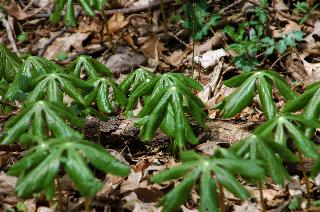 The Marian University Nina Mason Pulliam EcoLab is a rich tapestry of plant life, showcasing over 260 native species from Indiana. This impressive biodiversity is the result of a confluence of geological, historical, and design factors.
Central Indiana's landscape is shaped by its position on the Tipton till plain, characterized by thick layers of glacial till deposited by the Wisconsin ice sheet around 12,000 years ago. As glacial meltwater flowed through the White River drainage including Crooked Creek, it sculpted the EcoLab’s diverse topography, including bluffs, wetlands, lowland forests, and prairie/riparian areas. Each habitat type reflects different stages of geological and ecological development:
Before settlement, central Indiana was covered by a vast deciduous forest dominated by species like Sugar Maple and Oak. By the early 19th century, much of this forest was cleared for agriculture. In 1910, James A. Allison, founder of the Indianapolis 500, purchased the land and commissioned landscape architect Jens Jensen to design a summer estate, "Riverdale." Jensen's design included five lakes, meadows, and various structures, integrating native plants in naturalistic groupings. This design was maintained until 1928. We have the result of this 1910 planting.
In 1937, the Sisters of St. Francis of Oldenburg acquired the estate, establishing Marian College in Indianapolis. Ecological restoration began in 2000, focusing on removing invasive species like honeysuckle and bittersweet, and replanting native species.
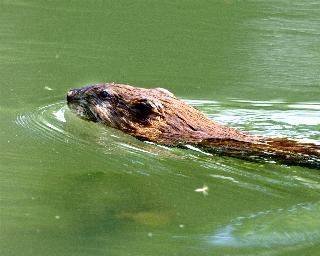 The EcoLab is home to a variety of wildlife, with many species still being discovered. The diverse habitats support:
Mammals: Including beaver, muskrat, red fox, raccoon, and white-tailed deer. Tracks and signs of these animals can be seen in muddy areas and after light snowfalls.
Birds: Over 170 species have been recorded, with ongoing surveys continually adding new findings. Notable species include Great Horned Owls, Cooper’s Hawks, and American Woodcock. Breeding Wood Ducks, Blue-winged Teal, and various sparrow species are regularly observed. The varied wetland and prairie environments support a wide range of bird species throughout the year.
Herpetofauna: Despite the high-quality wetlands, amphibian diversity is relatively low, with species such as Bullfrogs, Cricket and Green Frogs observed. Turtle species include Painted Turtles and Red-eared Sliders.
Beaver: The EcoLab hosts a beaver colony in the Jens Jensen pond. Beaver activities include digging “Beaver Canals” as transportation systems for access to their food supply. They also have a lodge along the shore of the North Shore trail. You’ll see beaver-cut stumps, a food cache in the pond, dams, and sometimes the beavers themselves patrolling the pond and slapping their tails.
The Marian University Nina Mason Pulliam EcoLab stands as a testament to the interplay between natural history and human influence, with ongoing efforts to preserve and enhance its ecological richness.
The Marian University Nina Mason Pulliam EcoLab is open to the public dawn to dusk seven days a week. Visitors are welcome to hike the 3+ miles of trails in and among the wetlands and riparian forests. Trails are dotted with map signs as well as informational signs describing the interesting and unique human and natural history of the site.
Tip: Learn more about a location in the EcoLab by scanning the QR codes on map signs.
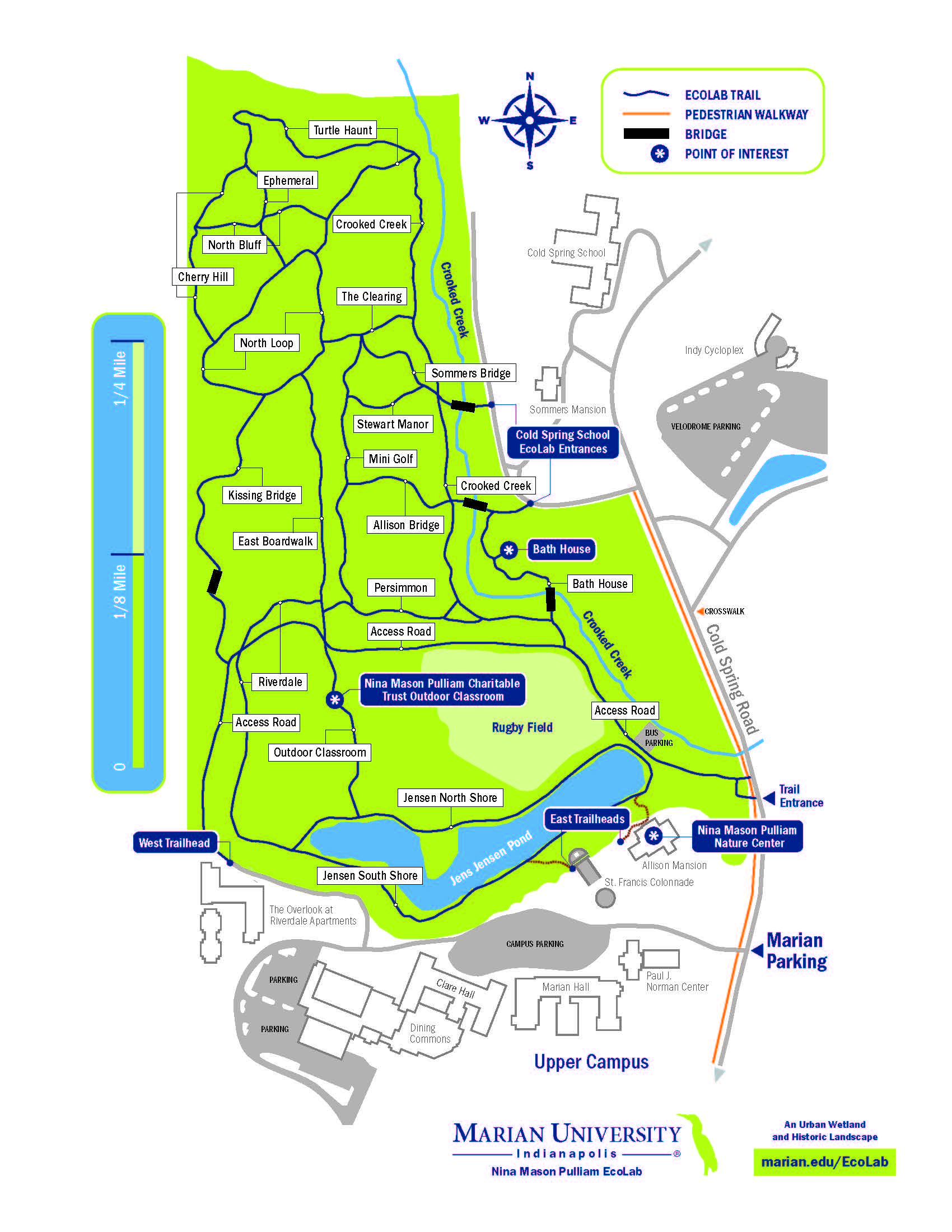
Where to Park? See the map, below. Park at the Velodrome Parking, use the crosswalk to the orange pedestrian path along Cold Spring Road, and enter around the EcoLab gate, using the “trail entrance” on the map.
TRAIL RULES